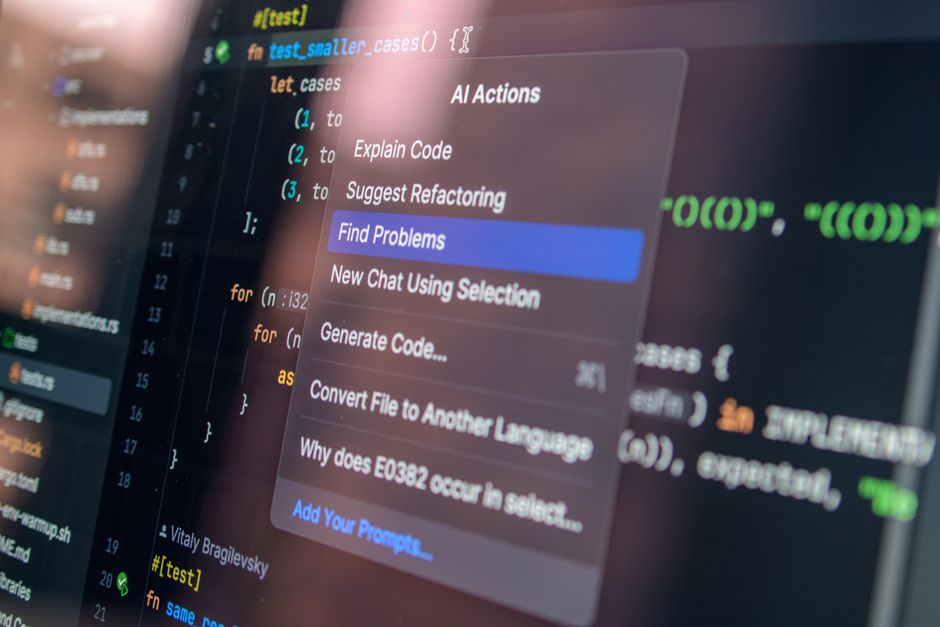
Introduction
Technical documentation is essential for software adoption, developer productivity, and product success. Well-written documentation reduces support requests, accelerates onboarding, and enables users to extract maximum value from products. Yet creating and maintaining comprehensive technical documentation is notoriously difficult. Developers often deprioritize documentation against feature work, dedicated technical writers face bandwidth constraints, and documentation quickly becomes outdated as products evolve. Artificial intelligence is transforming technical documentation by automating content generation, ensuring consistency, maintaining accuracy as code changes, and making documentation more discoverable and useful. AI-powered documentation tools can generate API references from code, create contextual code comments, produce user guides from product specifications, and automatically update content when underlying systems change. This guide explores the key applications of AI in technical documentation and how organizations can leverage these tools to create better documentation with less effort.
AI-Generated API Documentation and Code Comments
It works.
API documentation is one of the most critical yet labor-intensive forms of technical writing. Every endpoint, parameter, response format, and error code must be documented accurately, and this documentation must stay synchronized with the codebase. AI transforms API documentation by automatically generating comprehensive references from source code and OpenAPI specifications. Natural language processing models analyze code structure, function signatures, type definitions, and inline comments to produce human-readable documentation that explains what each API does, what parameters it accepts, what it returns, and how to use it. Tools like Swagger and ReadMe incorporate AI-powered documentation generation that produces polished API references with minimal human input. When developers add a new endpoint or modify an existing one, the AI automatically updates the corresponding documentation, ensuring that API docs always reflect the current codebase. For inline code comments, AI analyzes function implementations and generates explanatory comments that describe what the code does, why specific approaches were chosen, and what edge cases are handled. This is particularly valuable for complex algorithms or non-obvious implementation decisions where good documentation is most needed. Machine learning models trained on thousands of high-quality open-source repositories understand what makes effective code comments, generating documentation that follows community best practices. For example, when a developer writes a complex sorting algorithm, the AI might generate comments explaining the sorting strategy, time complexity, and handling of edge cases like null values or duplicate entries. This automated documentation generation ensures that even code written under time pressure has baseline documentation quality, and it frees developers to focus on writing code rather than writing about code.
What's the catch?
User Guides, Tutorials, and How-To Content
Honestly, beyond API references, comprehensive technical documentation includes user guides, tutorials, getting-started guides, and troubleshooting content. AI assists with creating these narrative forms of documentation by generating first drafts from product specifications, screen captures, and usage data. Natural language generation models analyze product features and produce step-by-step guides that explain how to accomplish common tasks. For example, an AI documentation tool can analyze a SaaS application's interface and generate a "Getting Started" guide that walks new users through account creation, initial configuration, and first workflow completion, complete with screenshots and annotations. Tools like Document360 and Helpjuice incorporate AI writing assistants specifically designed for technical documentation, providing templates, content suggestions, and consistency checks. AI also creates tutorial content by analyzing product usage data to identify the most common user journeys and the points where users typically encounter difficulty. These insights guide the creation of documentation that addresses real user needs rather than what documentation creators assume users want to know. For troubleshooting content, AI analyzes support tickets, forum posts, and error logs to identify common issues and generate solution articles. Natural language processing extracts problem-solution pairs from support interactions and converts them into structured documentation articles. This automated content generation dramatically expands the documentation that teams can produce and maintain, ensuring that users have the resources they need to succeed with the product.
But does it actually work that way?
Intelligent Content Maintenance and Versioning
Documentation decay is a persistent challenge for technical teams. As products evolve, documentation becomes outdated, and outdated documentation is often worse than no documentation because it actively misleads users. AI addresses this through intelligent content maintenance that continuously monitors documentation accuracy. Machine learning algorithms compare documentation content against current product behavior, flagging discrepancies that may indicate outdated content. For example, if documentation describes a settings page with five configuration options but the actual product now has eight options, the AI flags this discrepancy and suggests documentation updates. Natural language processing analyzes product release notes and changelogs to automatically identify which documentation articles are affected by each release, generating prioritized update lists for technical writers. Version management AI tracks documentation across product versions, ensuring that users see documentation appropriate for their version while allowing writers to maintain a single source of truth. When a product feature changes between versions, the AI propagates the documentation update across all affected version-specific pages while preserving version-specific differences. Tools like GitBook and Paligo provide AI-powered version management that simplifies this complex documentation challenge. AI also identifies documentation coverage gaps by analyzing user search behavior, support requests, and product usage patterns. When users consistently search for topics that lack documentation, or when support teams answer the same questions repeatedly, the AI flags these gaps and recommends new documentation topics. This data-driven approach to documentation planning ensures that writing efforts focus on areas that will have the greatest impact on user success and support reduction.
 AI-powered technical documentation platforms automate API docs, user guides, and content maintenance across product versions.
Multi-Format and Multi-Language Documentation
Modern products need documentation that works across multiple formats and in multiple languages. Users expect to access documentation through web portals, in-app help systems, PDF downloads, and increasingly through conversational AI interfaces. AI enables documentation teams to create content once and automatically deploy it across formats. Natural language generation adapts content for different mediums, creating concise in-app tooltips from the same source that produces comprehensive web articles and printable PDF guides. The AI adjusts content structure, length, and formatting appropriately for each output format without requiring manual reformatting. For international audiences, AI translation capabilities enable documentation to be automatically translated into dozens of languages while preserving technical accuracy. Neural machine translation models specifically trained on technical content handle domain-specific terminology, code examples, and technical concepts far better than general-purpose translation tools. These systems maintain translation memories that ensure consistency across documentation updates, so when the English documentation changes, only the new or modified content is retranslated rather than the entire corpus. Tools like Crowdin and Lokalise integrate AI translation capabilities with documentation platforms, streamlining the localization workflow. AI also helps maintain consistency across translated documentation by checking that all language versions contain the same information and that updates are synchronized. For global products, this multi-language capability ensures that all users have access to accurate, up-to-date documentation in their preferred language, dramatically expanding the product's accessible market without proportionally increasing documentation costs.
Integrating AI Documentation into Development Workflows
Not even close.
For AI documentation to deliver maximum value, it must be integrated into existing development workflows rather than treated as a separate activity. The most effective implementations embed documentation generation into the development pipeline, so documentation is created and updated automatically as part of the development process. Integration with version control systems ensures that documentation changes are tracked alongside code changes, making it easy to review documentation updates during code review. When a developer modifies a function's API, the documentation updates are included in the same pull request, ensuring that documentation and code remain synchronized. AI documentation tools integrate with CI/CD pipelines, automatically checking that documentation is complete and accurate before releases are approved. For example, a CI check might verify that all new endpoints have documentation, that no documented features have been removed without documentation updates, and that code examples in documentation actually execute correctly. Tools like ReadMe and Stoplight provide these CI/CD integration capabilities. Technical documentation review becomes part of the standard code review process, with AI flagging documentation issues alongside code issues for developer attention. For dedicated technical writers, AI provides dashboards that show documentation health metrics, including coverage, accuracy, freshness, and user engagement. These insights help writers prioritize their efforts on the documentation changes that will have the greatest impact. By embedding AI documentation into development workflows, organizations ensure that documentation is treated as a first-class citizen in the development process rather than an afterthought, resulting in better documentation that stays current with product evolution.
If You Only Remember One Thing
I'll be honest: - AI automatically generates API documentation and code comments from source code, ensuring documentation stays synchronized with implementation.
- Natural language generation creates user guides, tutorials, and troubleshooting content from product specifications and usage data. — game changer in my workflow
- Intelligent content maintenance flags outdated documentation and automatically propagates updates across version-specific pages.
- AI enables multi-format and multi-language documentation from a single source of truth, expanding accessibility globally. — game changer in my workflow
- Integration with development workflows embeds documentation creation into CI/CD pipelines and code review processes.
- Organizations that treat AI documentation as part of the development process achieve higher documentation quality and consistency with less ongoing effort.
Build your documentation capabilities further with our guides on AI Knowledge Base and Wiki Creation and AI Writing Assistant Tools for a comprehensive content productivity strategy.