Introduction
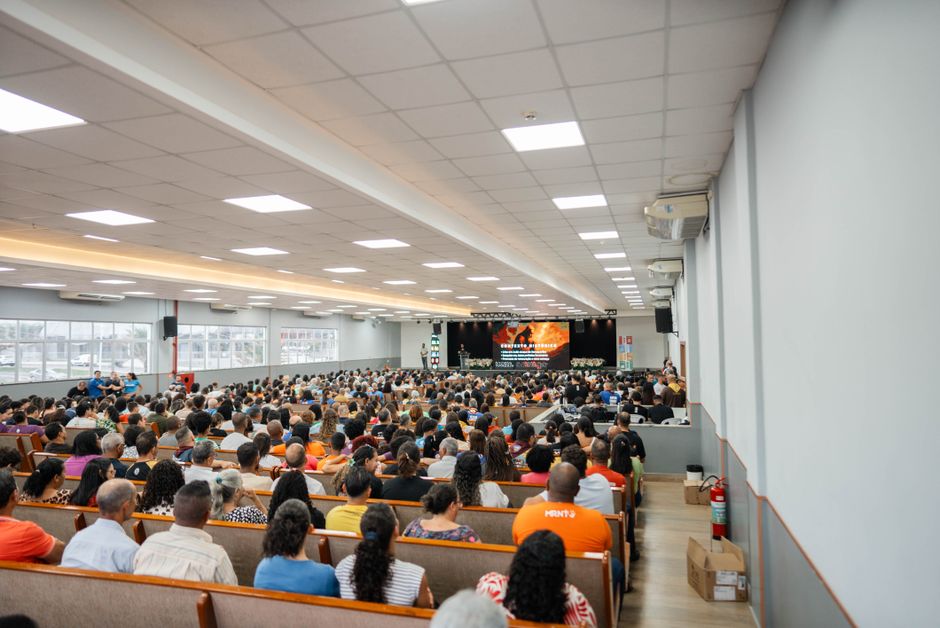
Event planning and management is a complex, multi-faceted discipline that involves coordinating venues, vendors, speakers, attendees, schedules, budgets, and logistics. Whether planning a corporate conference, trade show, product launch, or internal company event, organizers must manage countless details while delivering a memorable experience. Traditional event planning relies heavily on spreadsheets, manual coordination, and tribal knowledge accumulated through experience. Artificial intelligence is revolutionizing event management by automating routine tasks, providing data-driven insights for decision-making, personalizing attendee experiences, and enabling real-time event optimization. AI-powered event platforms can recommend optimal venues based on event requirements, generate marketing content, match attendees for networking, predict attendance patterns, and analyze event success metrics. This guide explores how AI is transforming event planning and management across the event lifecycle.
AI-Powered Venue Selection and Logistics Planning
Selecting the right venue is one of the most consequential decisions in event planning, affecting budget, attendee experience, and logistical complexity. AI transforms venue selection by analyzing event requirements and matching them against comprehensive venue databases to recommend optimal options. Machine learning algorithms consider factors such as event type, expected attendance, date flexibility, budget constraints, location accessibility, technical requirements, and historical event performance data at each venue. Tools like MeetingPackage and Eventbrite incorporate AI venue recommendation features that learn from past events to improve suggestions over time. For example, an AI system planning a tech conference for 500 attendees might recommend venues that have successfully hosted similar events, have adequate bandwidth and AV capabilities, are accessible to the expected attendee geographic distribution, and fit within budget constraints. Beyond initial selection, AI optimizes venue logistics including room allocation, floor plan design, and traffic flow. For multi-track events, AI algorithms assign sessions to rooms based on expected attendance for each session, minimizing overcrowding and room waste. Catering logistics are optimized by analyzing historical consumption patterns to predict food and beverage needs, reducing waste while ensuring availability. For virtual and hybrid events, AI recommends platform features, streaming configurations, and engagement tools based on event type and audience expectations. This AI-driven logistical optimization reduces planning time, minimizes costly mistakes, and ensures that the physical or virtual event environment supports an optimal attendee experience.
Intelligent Scheduling and Agenda Optimization
Not even close.
Creating an event schedule that maximizes attendance, minimizes conflicts, and accommodates speaker and attendee preferences is a complex optimization problem. AI transforms agenda planning by automatically generating schedules that balance multiple competing objectives. For conferences with multiple tracks and sessions, AI algorithms evaluate session popularity predictions, speaker availability, room capacities, and topic diversity to create optimized schedules. Machine learning models analyze historical attendance data, session ratings, and registration patterns to predict which sessions will be most popular and schedule them to minimize conflicts. For example, the AI might identify that sessions on artificial intelligence and cybersecurity attract overlapping audiences and ensure they're not scheduled simultaneously, while scheduling niche topics in parallel to serve distinct audience segments. Tools like Sched and Whova provide AI-powered scheduling that helps attendees create personalized agendas based on their interests, roles, and networking goals. Speakers benefit from AI scheduling assistance that suggests optimal presentation times based on their topic, audience, and historical engagement patterns. For internal meetings and corporate events, AI scheduling tools coordinate complex multi-participant schedules, finding times that work across time zones and conflicting commitments. The AI continuously adjusts schedules as changes occur, automatically notifying affected participants and suggesting alternative arrangements. Post-event analysis evaluates scheduling effectiveness, identifying patterns that can improve future event agendas. This intelligent scheduling maximizes attendance, satisfaction, and learning outcomes while minimizing the administrative burden on event organizers.
Sounds simple, right?
AI for Event Marketing and Attendee Acquisition
Marketing an event effectively requires reaching the right audiences with compelling messages across multiple channels. AI transforms event marketing by automating campaign creation, optimizing targeting, and personalizing communications. Natural language generation tools create event marketing content including promotional emails, social media posts, landing page copy, and registration page content. These AI-generated materials maintain consistent brand voice while being optimized for each channel and audience segment. For email campaigns, AI determines optimal send times, subject lines, and content personalization for each recipient based on their past engagement behavior. Machine learning models analyze registration data to identify attendee segments with different characteristics and motivations, enabling targeted marketing that speaks to each segment's specific interests. Tools like Bizzabo and Cvent incorporate AI marketing capabilities that help event organizers optimize promotion and registration. Predictive analytics forecast registration numbers based on marketing activities, historical patterns, and external factors, helping organizers set realistic goals and adjust strategies when registration deviates from projections. When early registration is lower than expected, AI recommends specific marketing interventions such as discount offers, targeted social media advertising, or speaker announcements that have proven effective for similar events. For paid events, AI dynamic pricing models optimize ticket prices based on demand, time to event, and attendee segments, maximizing revenue while ensuring target attendance levels. By automating and optimizing event marketing, AI helps organizers fill seats with the right attendees while reducing marketing costs and effort.
 AI-powered event management platforms provide intelligent scheduling, personalized marketing, and real-time analytics for successful events.
Personalized Attendee Experiences and Networking
That's the short version.
Attendee experience is the ultimate measure of event success, and AI enables personalization at scale that was previously impossible. AI-powered event platforms create personalized experiences for each attendee from registration through post-event follow-up. During registration, AI recommends sessions, speakers, and activities based on attendee profile, past event behavior, and expressed interests. Attendees receive personalized agendas that maximize the value they derive from the event. For networking, AI matching algorithms connect attendees with complementary interests, roles, and goals, facilitating meaningful professional connections. Tools like Swapcard and Brella use AI to recommend networking matches based on detailed attendee profiles, suggesting who to meet and why. At in-person events, AI-powered mobile apps provide wayfinding assistance, real-time schedule updates, and personalized notifications about relevant sessions, exhibitors, or networking opportunities. For virtual and hybrid events, AI monitors attendee engagement and recommends real-time adjustments such as switching sessions, joining discussions, or connecting with specific attendees. During sessions, AI-powered live Q&A systems prioritize questions based on relevance, popularity, and attendee profiles, ensuring the most valuable questions are addressed. AI chatbots serve as 24/7 concierges, answering attendee questions about schedules, logistics, and content. After the event, AI generates personalized follow-up recommendations, suggesting content to review, connections to pursue, and relevant products or services based on event interactions. This end-to-end personalization ensures that each attendee derives maximum value from the event, driving satisfaction, engagement, and likelihood of future attendance.
Real-Time Event Analytics and Post-Event ROI Measurement
Big difference.
Understanding event performance in real time and measuring return on investment are critical for improving future events and justifying event expenditures. AI analytics provide unprecedented visibility into event operations and outcomes. During events, real-time dashboards show attendance patterns, session popularity, engagement metrics, and operational status. AI identifies emerging issues such as sessions approaching capacity, low engagement in specific tracks, or technical problems with virtual platforms, enabling proactive intervention. For example, if a particular session has low attendance, the AI might automatically promote it through push notifications to attendees with matching interests. For virtual events, engagement analytics track attention metrics, interaction rates, and content consumption patterns, providing insights that are impossible to capture for in-person events. After events, AI analyzes comprehensive data to measure success against defined objectives. Machine learning models calculate ROI by attributing business outcomes such as leads generated, deals influenced, or partnerships formed to specific event activities. These models account for attendee roles, interactions, and follow-up activities to provide accurate attribution. AI also analyzes attendee satisfaction data, feedback surveys, and behavioral signals to identify what worked well and what needs improvement. Tools like Eventboard and EventsCase provide AI-powered event analytics that help organizers continuously improve their events. Sentiment analysis processes attendee feedback, social media mentions, and session evaluations to capture qualitative dimensions of event success. This comprehensive analytics capability transforms event management from an experience-based discipline to a data-driven one, enabling organizers to demonstrate measurable value and continuously improve event experiences.
The TL;DR
- AI-powered venue selection and logistics planning optimize event spaces, room allocation, and catering based on historical data and event requirements. (this one actually surprised me)
- Intelligent scheduling algorithms create optimized agendas that maximize attendance, minimize conflicts, and accommodate attendee preferences.
- AI marketing automation optimizes event promotion through personalized campaigns, predictive registration forecasting, and dynamic pricing. (this one actually surprised me)
- Personalized attendee experiences include AI-recommended agendas, networking matches, and real-time event guidance. (this one actually surprised me)
- Real-time analytics and post-event ROI measurement provide data-driven insights for continuous event improvement. — game changer in my workflow
- AI transforms event management from a manual, experience-based discipline into an efficient, data-driven practice.
Enhance your event planning capabilities with our guides on AI for Customer Service and AI for Survey Creation and Analysis for comprehensive audience engagement strategies.
But is that the whole story?