The Dream That Wasn’t
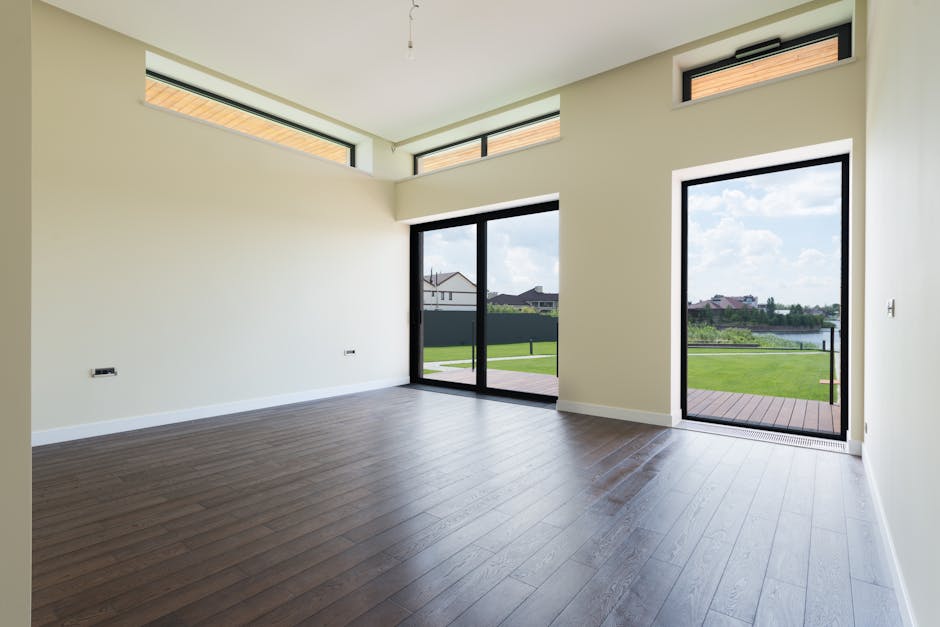
Joyce is a native New Yorker. She’s seen it all—bedbugs, rent-stabilized loopholes, landlords who speak only in passive-aggressive emails. But even she wasn’t prepared for what happened last month. After weeks of scrolling through listings, she found what looked like the holy grail: a reasonably priced studio in Manhattan. The photos showed a sun-drenched room with hardwood floors, a sleek kitchen island, and an actual window that seemed to let in light. She clicked “schedule viewing” before finishing the coffee she was holding. When she walked into the actual unit, she almost laughed. The “kitchen island” was a folding table. The “hardwood floors” were peeling linoleum. And the window? It looked out onto a brick wall two feet away. Joyce told me, “I felt like I was being gaslit by a computer.”
According to www.theverge.com, this isn’t a one-off scam. It’s a systemic problem fueled by AI-powered virtual staging tools that let landlords and brokers digitally transform a dump into a dream home with a few clicks. The technology is sophisticated enough to add furniture, change wall colors, remove clutter, and even simulate natural light. But here’s the thing: none of it is real. And renters are the ones paying the price—in wasted time, emotional whiplash, and a growing distrust of the entire rental process.
How We Got Here
Virtual staging isn’t new. Real estate agents have been digitally adding furniture to empty rooms for over a decade. But the old tools were clunky, expensive, and obvious. You could spot a staged photo from a mile away—the couch was always slightly too large, the perspective was off, and the lighting looked like a bad Photoshop filter. AI changed all that. Now, tools like those from companies such as BoxBrownie, roOomy, and a growing number of startups use generative adversarial networks (GANs) to create photorealistic interiors. They don’t just add a chair; they generate textures, shadows, and reflections that look indistinguishable from a photograph taken by a professional.
I tried one of these tools last week. It’s kind of wild when you think about it. I uploaded a photo of my own cramped, cluttered living room—a space that honestly looks like a storage unit exploded—and within 30 seconds, the AI had transformed it into a minimalist paradise. The bookshelves were gone. The cat tree vanished. In their place was a mid-century modern sofa, a coffee table with a perfectly arranged stack of magazines, and a floor lamp that cast a warm, inviting glow. The before-and-after was so stark that I almost felt embarrassed about how I actually live. And then I thought: what if someone saw the “after” and booked a viewing expecting that space? They’d show up and find my real living room, with the cat tree and the pile of laundry. They’d be pissed. I’d be pissed.
The Emotional Toll of AI-Induced Whiplash
Here’s where it gets personal. The rental market in cities like New York, San Francisco, and London is already brutal. You’re competing against dozens of other applicants for a studio that costs more than your parents’ mortgage. Your budget is a joke. Your commute is a nightmare. And every listing feels like a lottery ticket—maybe this one is the one that’s actually decent. That hope is what AI virtual staging preys on. It creates an emotional attachment to a space that doesn’t exist. You start imagining your life there: where you’ll put your plants, how you’ll arrange the furniture, the dinner parties you’ll never actually throw because you’re exhausted from working two jobs.
Then you show up, and the reality hits like a brick. The apartment is smaller than the photos suggested. The “renovated kitchen” is a 1980s laminate nightmare. The “charming exposed brick” is a painted-over mold patch. And the AI-generated furniture that made the place look spacious? Gone. You’re standing in an empty, depressing box, wondering why you wasted your Saturday afternoon.
Joyce experienced this multiple times before she finally gave up on trusting photos entirely. “I started looking for signs—weird reflections, furniture that didn’t match any style I’d ever seen, rooms that were too perfectly lit,” she told me. “But even then, I couldn’t tell. The AI is too good now.” According to www.theverge.com, some listings are so heavily modified that they constitute “deceptive trade practices,” but enforcement is spotty at best. The Federal Trade Commission has guidelines about false advertising, but AI-generated images exist in a legal gray area. Are they “artistic renderings” or outright lies? The industry hasn’t decided yet.
Why Landlords Love It (And Why That’s a Problem)
Let’s be blunt: landlords love AI staging because it saves them money and fills vacancies faster. Instead of hiring a professional stager to physically bring in furniture—which costs thousands of dollars and requires logistics—they can just upload a photo and let the algorithm do the work. A subscription to a virtual staging service can cost as little as $50 per month. That’s a steal compared to the $2,000–$5,000 a professional stager might charge. And since most renters never actually buy the apartment, the landlord doesn’t care if the reality matches the fantasy. They just need to get someone through the door.
But here’s the kicker: AI staging doesn’t just make bad apartments look good; it makes them look unrealistically good. A 400-square-foot studio can be made to look like a 600-square-foot one-bedroom by adding clever furniture that tricks your eye. Closets disappear. Hallways widen. Ceilings magically rise. The result is that renters develop a skewed perception of what’s available at their price point. They start thinking, “If this studio can look this good, maybe I can afford something even better.” Then they get disappointed. Again and again.
I spoke with a broker who asked to remain anonymous because he still uses these tools. “Look, I get why people are mad,” he said. “But if I don’t use it, my listings look worse than everyone else’s. It’s an arms race. If your photos are just a dirty room with bad lighting, nobody clicks on them. So you either play the game or you starve.” That’s the tragedy of it: even ethical brokers feel pressured to use AI staging because the market demands it. The algorithm rewards engagement, and engagement comes from pretty pictures. Honesty gets buried.
The Practical Consequences (Beyond Just Annoyance)
This isn’t just about hurt feelings. There are real, tangible consequences. First, there’s the financial cost. Every wasted viewing costs you time, transportation money, and in some cases, lost wages if you have to take time off work. Second, there’s the emotional toll of repeated disappointment, which can lead to what psychologists call “decision fatigue.” You start making worse choices because you’re exhausted. You might settle for a place that’s actually worse than the one you passed on because you’re tired of looking.
Third, and most concerning, AI staging can mask serious problems. A photo that shows a clean, bright room might hide water damage, mold, or pest infestations. The AI can smooth over cracks, remove stains, and even edit out signs of structural issues. I’ve heard stories of renters moving into apartments only to find that the “renovated bathroom” was actually a closet with a toilet and a shower curtain. The AI had digitally expanded the space, added a vanity, and made it look functional. The reality was a death trap.
What Can You Do? (A Few Practical Tips)
I’m not going to tell you to “just trust your gut.” Your gut is useless against a GAN. Instead, here’s what I’ve learned from talking to renters, brokers, and tech experts:
-
Look for signs of staging. Check for reflections that don’t match the room—like a window reflecting on a glossy table but no window in the same position in other photos. Look for furniture that’s too perfect, like chairs with no wear, or plants that look like they’re from a CGI forest. If the same couch appears in multiple listings from different landlords, that’s a red flag.
-
Reverse image search. Google Images and TinEye can sometimes catch duplicates, but AI-generated images are new every time. Still, it’s worth a shot.
-
Ask for a video tour. Real-time video is harder to fake. If the landlord refuses or offers a “prerecorded tour,” that’s suspicious.
-
Demand to see the unit in person before signing anything. This sounds obvious, but in a hot market, people sometimes sign leases sight unseen. Don’t. Ever.
-
Report deceptive listings. If you suspect AI staging, file a complaint with your local housing authority or the FTC. It’s a long shot, but if enough people do it, regulators might take notice.
The Bigger Picture: AI and Trust
This whole situation reminds me of the early days of photo editing. Remember when everyone started using Photoshop to smooth their skin and change their body shape? We eventually developed a cultural skepticism—we know that magazine covers are fake, but we still feel bad when we compare ourselves to them. AI staging is doing the same thing to apartments. It’s creating an idealized version of reality that none of us can live up to.
And here’s the thing: I’m not a Luddite. I think AI can do amazing things—help diagnose diseases, reduce energy consumption, even write passable articles (though I’d argue this one required a human touch). But when AI is used to deceive people in a market that’s already rigged against them, it crosses a line. Renters are already struggling. They don’t need a machine to make them feel even more powerless.
So what’s the solution? Regulation, probably. Requiring labels on AI-staged images, like the labels we now see on deepfakes or retouched photos in ads. Some countries are already moving in this direction. The UK’s Advertising Standards Authority has cracked down on misleading real estate photos. But in the US, it’s still the Wild West.
Until then, renters like Joyce are left to fend for themselves. She eventually found a place—a small, honest studio in Brooklyn with no AI staging and a landlord who actually showed her the real apartment. “It’s not perfect,” she told me. “But at least I knew what I was getting into. That’s worth more than a million fake sun-drenched kitchens.”
Honestly, she’s right. I’d take an honest shithole over a fake paradise any day. At least you know where you stand.

Originally reported by www.theverge.com. Rewritten with additional analysis and real-world context by Thomas Blackwell.


