How AI Is Reshaping Project Management
Project management has traditionally been a discipline of constant vigilance — tracking tasks, monitoring deadlines, adjusting resources, and communicating status updates across teams. Despite the proliferation of digital project management tools, the fundamental challenges remain: projects frequently run over schedule, resources are misallocated, and team members struggle with unclear priorities. In 2026, artificial intelligence is transforming project management from a reactive discipline into a predictive and automated practice that dramatically improves project outcomes.
AI project management tools address the core pain points that have plagued project managers for decades. They automate status updates by extracting progress information from team communications and task systems. They predict schedule risks by analyzing historical data and current progress patterns. They optimize resource allocation by matching task requirements with team member skills, availability, and workload. And they provide intelligent recommendations for everything from sprint planning to stakeholder communication strategies.
The results are measurable and significant. Organizations using AI-enhanced project management report 30-40% improvements in on-time delivery rates, 25% reductions in project coordination overhead, and significant improvements in team satisfaction scores. By handling the administrative and analytical aspects of project management, AI allows project managers to focus on what truly matters — leading teams, solving problems, and ensuring projects deliver genuine business value rather than simply tracking tasks.
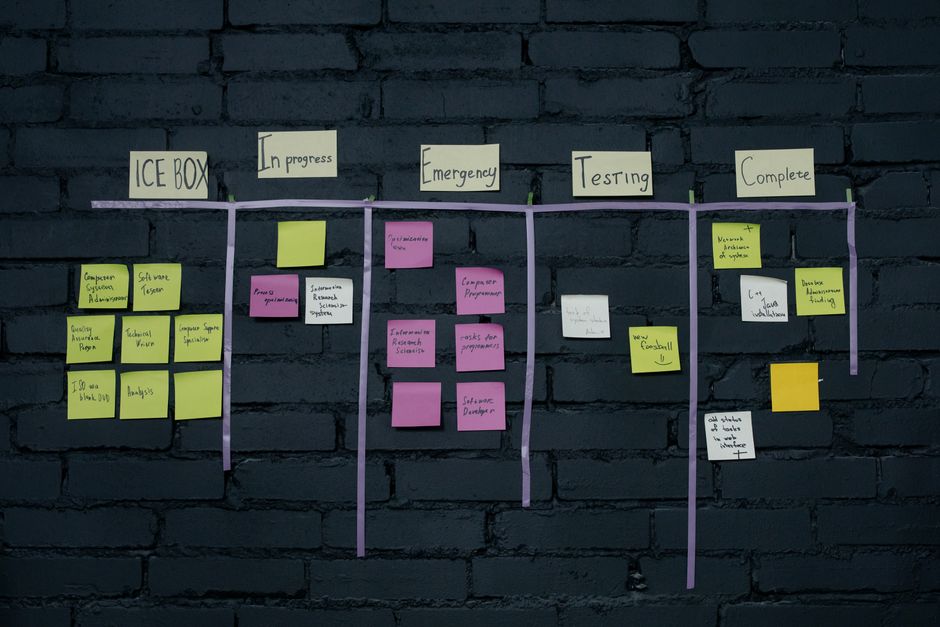
Intelligent Task and Workflow Automation
AI-powered project management tools have changed task management through intelligent automation. Rather than requiring manual entry of every task, subtask, and dependency, modern AI systems can extract task structures from project briefs, meeting notes, and email communications. A project manager can upload a project charter or feature specification, and the AI will automatically decompose it into a work breakdown structure, assign preliminary timelines, and identify task dependencies based on the content and context of the document.
Automated task assignment has become significantly more sophisticated. AI tools now consider multiple factors when recommending assignments: each team member's current workload and availability, their demonstrated skills and past performance on similar tasks, their preferred working hours, and even their career development goals. The system learns from task outcomes over time, refining its assignment recommendations based on which team members perform best on which types of work. This data-driven approach to task allocation has been shown to improve both productivity and job satisfaction.
Workflow automation extends beyond individual tasks to entire project processes. AI can orchestrate approval workflows, trigger notifications based on task status changes, automatically create follow-up tasks when dependencies complete, and generate status reports at configurable intervals. For organizations following specific methodologies like Scrum or Kanban, AI tools can automate process-specific activities — generating sprint backlogs based on priority and capacity, suggesting sprint goal adjustments based on velocity trends, and identifying bottlenecks in Kanban workflows before they cause delays.
Predictive Analytics and Risk Management
One of the most powerful AI capabilities in project management is predictive analytics. By analyzing historical project data, current progress metrics, and external factors, AI can forecast project outcomes with remarkable accuracy. Modern tools can predict the probability of meeting each milestone and the overall project deadline, flag specific tasks at risk of delay, and identify which team members are at risk of burnout based on workload patterns and task complexity trends.
Schedule risk prediction has advanced beyond simple Gantt chart analysis. AI systems model the complex interdependencies between tasks, resources, and external dependencies, running thousands of Monte Carlo simulations to generate probabilistic completion timelines. Rather than providing a single deadline estimate, these tools show the range of likely outcomes — "75% probability of completion by June 15, 90% probability by June 22" — enabling more honest and accurate stakeholder communication. When risks materialize, the AI can immediately recalculate the impact on the overall timeline and suggest corrective actions.
Resource forecasting helps organizations plan capacity months in advance. By analyzing project portfolios, historical resource utilization, and anticipated demand, AI can predict hiring needs, identify skill gaps, and recommend training investments before they become critical bottlenecks. For consulting and agency environments where resource utilization directly affects profitability, AI-driven resource forecasting provides the intelligence needed to maximize billable utilization while preventing burnout. The system can even model what-if scenarios — "What happens to our delivery timeline if we lose two developers in Q3?" — enabling proactive risk mitigation.
AI-Enhanced Collaboration and Communication
Project management is fundamentally about coordination, and AI tools are dramatically improving how teams collaborate. AI meeting assistants can attend project standups, retrospectives, and planning sessions, capturing action items, decisions, and risks without requiring manual note-taking. These AI assistants integrate with project management systems to automatically create tasks from action items, update issue status based on discussion outcomes, and flag decisions that need stakeholder approval.
Natural language querying has made project information instantly accessible. Team members can ask questions like "What's the status of the mobile app redesign?" or "Show me all blocked tasks in the API integration project" and receive instant, accurate responses synthesized from across the project management system, communication platforms, and documentation. This eliminates the time wasted searching through multiple tools for status information and reduces the number of status update meetings that fragment team focus.
Intelligent communication features help project managers communicate more effectively with stakeholders. AI tools can generate customized status reports for different audiences — a technical detail report for the development team, a timeline-focused summary for executives, and a risk-focused brief for the steering committee — all from the same underlying data. The AI can also suggest the optimal timing and channel for important communications, analyze stakeholder sentiment from meeting transcripts and written updates, and recommend strategies for managing stakeholder expectations when projects encounter challenges.
Choosing and Implementing AI Project Management
When selecting an AI project management tool, start by assessing your organization's specific needs and maturity level. Teams that primarily need better task tracking and workflow automation will benefit from platforms like Asana with its AI-powered Smart Status updates and workload management features. Organizations focused on predictive analytics and risk management should evaluate tools like Monday.com with its advanced AI analytics capabilities or specialized enterprise tools like Jira with Atlassian Intelligence. For teams that want maximum AI integration across the entire project lifecycle, comprehensive platforms like ClickUp offer the widest range of AI features.
Implementation success depends on data quality and team adoption. AI project management tools are only as good as the data they've to work with. Invest time in ensuring task descriptions are clear, time tracking is accurate, and project structures are well-organized before expecting reliable AI insights. Provide training to help team members understand how to interact with AI features effectively — particularly natural language querying and AI-assisted task creation, which require different interaction patterns than traditional project management tools.
From what I've seen, start with a focused pilot project before rolling out AI project management across your organization. Choose a project with clear metrics for success, train a core team of power users, and document lessons learned. Measure the impact on key metrics like planning time, status reporting overhead, and on-time delivery before expanding to additional teams. As with any AI implementation, the technology will improve over time as it learns from your data, so patience and consistent use are essential for realizing the full benefits.
So, Should You Try It?
- AI project management tools improve on-time delivery by 30-40% through predictive analytics and automation
- Intelligent task automation extracts work breakdown structures from project documents and assigns tasks based on skills and workload — wish I'd known this six months ago
- Predictive analytics uses Monte Carlo simulations to forecast probabilistic completion timelines
- AI-enhanced collaboration automates note-taking, creates tasks from meeting discussions, and enables natural language querying — took me a while to figure this out
- Resource forecasting predicts hiring needs and identifies skill gaps months in advance — took me a while to figure this out
- Choose tools based on your organization's maturity: task automation, predictive analytics, or comprehensive AI integration (this one actually surprised me)
- Data quality and team training are critical success factors for AI project management adoption
- Pilot programs with clear metrics help demonstrate value before organizational rollout
For more AI productivity insights, see our guides on Email Management and Meeting Notes and Summaries.