The Post-Smartphone Era Begins
The dream of moving computing beyond the smartphone screen has been pursued for decades, but 2026 marks the year when AI-powered wearables finally began delivering on this promise at scale. The convergence of advanced AI models, miniaturized sensors, improved battery technology, and always-on connectivity has created a new category of devices that sit at the intersection of fashion, computing, and personal assistance. Unlike the fitness trackers and smartwatches that dominated the wearables market of the previous decade, the new generation of AI wearables—smart glasses, AI pins, intelligent earbuds, smart rings, and AI-enhanced clothing—promises to integrate artificial intelligence seamlessly into our daily lives, providing information, assistance, and enhanced capabilities without requiring us to look at a screen. The market for AI wearables has exploded, with industry analysts projecting global shipments exceeding 300 million units in 2026, driven by both consumer demand and enterprise adoption. Major technology companies including Apple, Google, Meta, Samsung, and numerous startups are competing fiercely in this space, each betting on different form factors and interaction paradigms. This comprehensive overview examines the key categories of AI wearables, evaluates the leading devices in each category, and explores the implications of this transformation for how we work, communicate, and interact with the world around us.
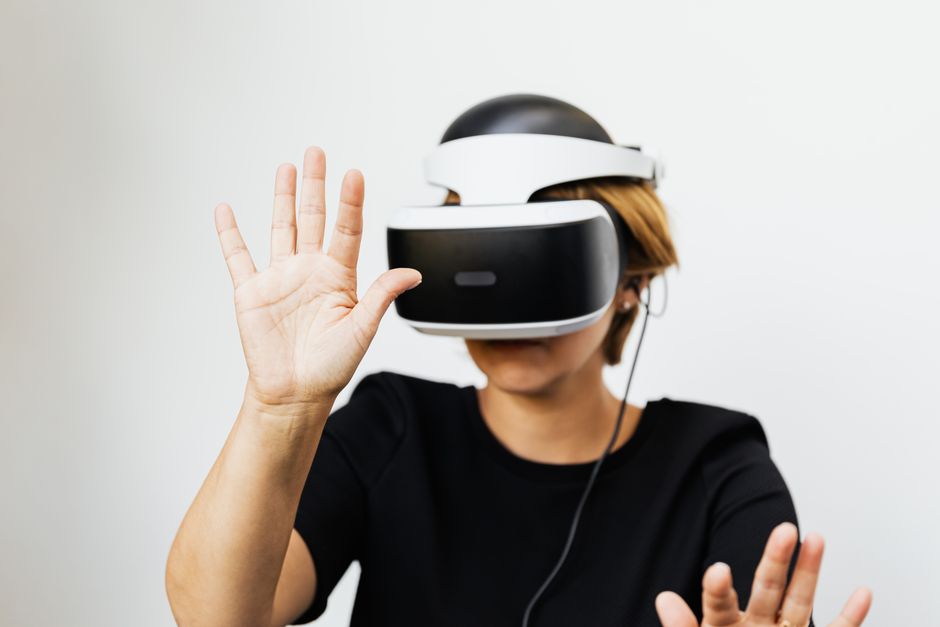
AI Smart Glasses: Augmented Reality Meets Artificial Intelligence
Smart glasses have emerged as the most ambitious and potentially transformative category of AI wearables in 2026. After years of false starts and underwhelming products, the combination of advanced augmented reality displays, powerful on-device AI processing, and fashionable designs has finally produced smart glasses that are compelling and practical for everyday use. Meta's Ray-Ban Stories, now in their third generation, have become the most commercially successful smart glasses, selling over 5 million units. The latest iteration integrates Meta's Llama AI model directly into the glasses, enabling real-time visual recognition, language translation, navigation guidance, and contextual information display without requiring a connected smartphone. The AI can recognize landmarks, identify plants and animals, translate text in real time, and even provide conversational prompts for social situations. The glasses include a discreet camera that captures photos and videos when activated, with an AI assistant that can describe scenes for visually impaired users. Apple's long-rumored smart glasses, released in early 2026 as the Apple Vision Lite, represent Apple's strategy of making spatial computing accessible and fashionable. These lighter, more affordable glasses (priced at $999 compared to the Vision Pro's $3,499) feature a direct retinal projection display that provides clear information overlay without the bulk of traditional VR headsets. Apple's AI, powered by on-device processing, provides contextual information, real-time translation, navigation overlays, and notification management that integrates seamlessly with the Apple ecosystem. Google's partnership with EssilorLuxottica has produced Google Glass Enterprise 3, which focuses on professional applications including healthcare, logistics, manufacturing, and field service. These glasses provide workers with hands-free access to information, remote expert guidance, and AI-powered visual assistance that can identify parts, display schematics, and guide repair procedures. For enterprise use cases, the value proposition is clear: workers using AI smart glasses report 25-35% improvements in task completion speed and accuracy for complex procedures.
AI Pins and Wearable Assistants: Computing Without Screens
A fascinating new category that has emerged in the 2025-2026 period is the AI pin or wearable AI assistant—a screenless device that clips onto clothing and serves as a persistent AI companion. These devices represent the boldest bet that the future of computing is voice and gesture-based rather than screen-based. The Humane AI Pin, now in its second generation, has overcome the performance and reliability issues that plagued the original launch. The device uses a combination of voice interaction, gesture control, and a small laser-projected display on the user's palm to provide a full computing experience without a traditional screen. The latest generation features significantly improved battery life, a faster AI processor capable of running large language models locally, and enhanced camera capabilities for visual recognition. The AI Pin can make phone calls, send messages, take notes, translate conversations in real time, identify objects and locations, and provide information from the web—all through natural conversation. The subscription service costs $29 per month and includes unlimited AI queries, cellular connectivity, and cloud storage. Rabbit's R2 device has taken a different approach, positioning itself as an AI agent that can perform tasks across digital services that the user connects to their account. The R2 can book flights, order groceries, manage calendar events, control smart home devices, and perform hundreds of other tasks through voice commands. The device learns from user preferences and becomes more personalized over time, with the ability to handle complex, multi-step tasks that require coordination across multiple services. The R2's AI can also analyze health data from connected wearables, providing personalized wellness recommendations. These AI pins represent a provocative vision of a post-screen computing future, though their long-term viability depends on whether users are willing to trade the rich visual interactions of smartphones for the convenience and presence of a screenless assistant.
Health and Wellness AI Wearables
Health monitoring has always been a strong use case for wearables, but AI has dramatically expanded what these devices can measure, analyze, and predict. In 2026, AI-powered health wearables go far beyond step counting and heart rate monitoring, offering continuous health surveillance that can detect early signs of illness, predict health events, and provide personalized wellness guidance. The Apple Watch Series 11 includes AI-powered health sensors that can detect early indicators of conditions including atrial fibrillation, sleep apnea, hypertension, and blood glucose changes without invasive sampling. The AI analyzes patterns across multiple sensor inputs—heart rate variability, blood oxygen, skin temperature, movement patterns, and voice analysis from periodic voice samples—to build a comprehensive health baseline for each user and flag deviations that may indicate developing health issues. The latest feature, developed in partnership with major medical research institutions, can predict likely COVID-19 and influenza infections up to 48 hours before symptoms appear, with 87% accuracy based on combined sensor data analysis. Oura Ring, now in its fifth generation, has established itself as the leading smart ring form factor, favored by users who want health tracking without a wrist-worn device. The Oura Ring's AI analyzes sleep patterns, activity, readiness scores, and stress levels, providing personalized recommendations for improving sleep quality, optimizing workout timing, and managing daily energy levels. The ring's latest AI features include fertility window tracking, stress resilience scoring, and cognitive readiness assessment. Whoop's latest band continues to dominate in the athletic performance space, with AI that analyzes training loads, recovery status, and sleep quality to provide daily strain and recovery recommendations for athletes. The platform's AI coach generates personalized training programs that adapt based on actual physiological response rather than following static plans. Beyond consumer wearables, medical-grade AI wearables are transforming healthcare delivery. Continuous glucose monitors like Dexcom G8 use AI to predict glucose trends and alert users to dangerous excursions before they occur. Wearable ECG patches with AI analysis can detect arrhythmias with accuracy comparable to clinical Holter monitors. These devices are increasingly prescribed by physicians and covered by insurance as their clinical value becomes established.
The Emerging Ecosystem: Rings, Earbuds, and Smart Clothing
Beyond the headline categories, AI is permeating a broader ecosystem of wearable devices in 2026. AI-powered earbuds have evolved beyond audio enhancement into full-featured wearable computers. Samsung's Galaxy Buds Pro 4 include real-time language translation that allows two people speaking different languages to hold a natural conversation, with each person hearing the translated version in their own earpiece. The AI can identify sounds in the user's environment—a doorbell, a fire alarm, a crying baby—and provide alerts to users with hearing impairments. The earbuds' AI health monitoring can measure heart rate, body temperature, and even detect falls. Meta's collaboration with EssilorLuxottica on smart glasses may be the most visible, but similar collaborations are producing AI-enhanced clothing, jewelry, and accessories. Smart rings from Samsung, Amazfit, and Circular offer AI-powered sleep tracking, activity monitoring, and wellness guidance in minimalist form factors that can be worn alongside traditional jewelry. AI-powered smart belts track waist circumference changes and posture; smart shoes analyze gait patterns and running form; and smart bracelets monitor UV exposure and air quality. What unites all these devices is the AI that runs on them—increasingly processed on-device rather than in the cloud, enabling real-time responses and enhanced privacy. The Apple S9 and Qualcomm Snapdragon W6 chips that power many of these devices include dedicated neural processing units capable of running sophisticated AI models without draining batteries. This on-device AI processing means that personal data stays on the device rather than being sent to cloud servers, addressing one of the most significant privacy concerns about wearable technology. As AI models continue to become more efficient and specialized for specific hardware, the capabilities of these devices will continue to expand while battery life improves.
But does it actually work that way?
So, Should You Try It?
- AI smart glasses from Meta, Apple, and Google have finally achieved mainstream viability, with Meta's Ray-Ban selling over 5 million units through improved design, AI integration, and practical functionality.
- AI pins and wearable assistants like Humane AI Pin and Rabbit R2 represent a screenless computing paradigm, though mass adoption remains uncertain. — your experience may differ, but this worked for me
- AI health wearables including Apple Watch, Oura Ring, and Whoop have expanded from fitness tracking to predictive health monitoring, including early illness detection and personalized wellness guidance. — your experience may differ, but this worked for me
- On-device AI processing has become standard in premium wearables, enabling real-time responses and enhanced privacy by keeping personal data on the device.
- The AI wearables ecosystem now spans smart rings, earbuds, clothing, and accessories, each integrating AI to provide contextual assistance and monitoring. — your experience may differ, but this worked for me
- Enterprise adoption of AI wearables is accelerating, with smart glasses improving task completion speed and accuracy by 25-35% in industrial applications. (this one actually surprised me)
- For more technology trends, explore Top 10 AI-Powered Website Builders Compared. — your experience may differ, but this worked for me
- See how AI in Healthcare applications extend to wearable health monitoring devices. — game changer in my workflow
- The AI wearables market in 2026 offers more choice and capability than ever before, with the key decision factors being form factor preference, ecosystem compatibility, and specific use case requirements. — your experience may differ, but this worked for me