The AI Voice-Over Revolution
That's the short version.
The voice-over and audiobook industry has been transformed by advances in AI text-to-speech technology. Modern AI voice synthesis has reached a level of quality that is often indistinguishable from human narration, with natural intonation, emotional range, and even multilingual capabilities. This technological leap has created an enormous opportunity for entrepreneurs to build businesses that produce voice-over content and audiobooks at a fraction of the traditional cost and time. The global audiobook market alone is projected to reach $35 billion by 2030, with AI-generated content capturing an increasingly large share.
Traditional audiobook production requires hiring professional narrators, booking studio time, and managing lengthy recording and editing processes. A single audiobook can cost $2,000 to $10,000 and take weeks to produce. AI voice-over technology reduces this to hours and costs as low as $50 to $500, making audiobook production accessible to independent authors and small publishers. This dramatic cost reduction is driving explosive demand for AI narration services, creating a lucrative niche for entrepreneurs who can deliver high-quality AI voice-over content efficiently.
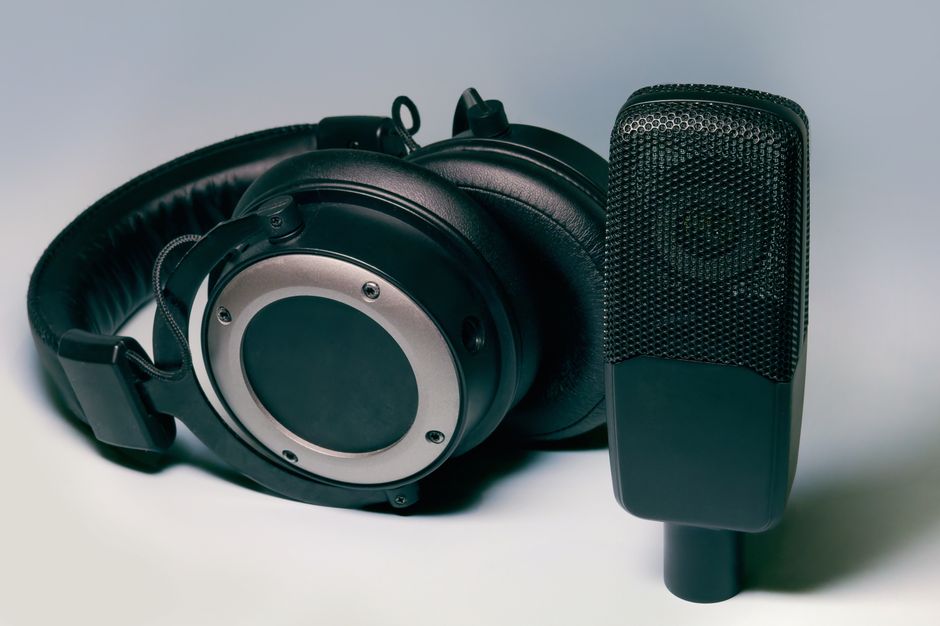
Technology and Tools for AI Voice Production
Building an AI voice-over business requires mastering a suite of powerful tools. ElevenLabs leads the market with its ultra-realistic voice synthesis, supporting dozens of languages and accents with fine-grained control over emotion, pitch, and speaking rate. Their Prime Voice models offer voice cloning capabilities that allow you to create custom voices for clients, adding a premium service offering. Other notable platforms include Murf.ai, Play.ht, Descript, and Amazon Polly, each with unique strengths for different use cases.
For audiobook-specific production, tools like Speechify, Google's Text-to-Speech, and IBM Watson's speech services offer specialized features for long-form narration. These platforms handle chapter breaks, maintain consistent voice characteristics across hours of content, and support multiple languages. Many also offer SSML (Speech Synthesis Markup Language) controls that allow fine-tuning of pronunciation, pauses, and emphasis for professional-quality narration.
The production workflow involves several stages. First, prepare and format the source text, breaking it into appropriate segments and adding SSML markup for natural narration. Second, generate the audio using your chosen AI platform, listening for any pronunciation issues or unnatural phrasing that need correction. Third, edit and master the audio using DAW software like Audacity or Adobe Audition, adding appropriate pacing, equalization, and noise reduction. Fourth, review and quality-check the final product before delivery. Developing efficient workflows and batch-processing techniques allows you to scale production significantly without sacrificing quality.
What's the catch?
Service Offerings and Monetization
I've found that your AI voice-over business can offer multiple service lines to maximize revenue. Audiobook narration is the flagship service, producing complete audiobooks for self-publishing authors, traditional publishers, and content creators. Pricing typically ranges from $100 to $500 per finished hour of audio, with discounts for longer projects. Commercial voice-over for advertisements, corporate videos, e-learning content, and explainer videos represents another significant revenue stream, with per-project pricing ranging from $200 to $2,000.
Voice cloning and custom voice creation is a premium service with substantial profit potential. Authors, brands, and content creators increasingly want a consistent, unique voice for all their content. Using ElevenLabs or Resemble.ai, you can create a custom voice model for clients, which they can then license for ongoing use. This service commands premium pricing of $500 to $5,000 per voice model, plus potential recurring licensing fees for continued usage rights.
Audiobook publishing as a service is another profitable model. Beyond just narration, you can offer complete production packages that include formatting, cover design, distribution to platforms like Audible, Apple Books, and Google Play, and marketing support. Full-service packages range from $500 to $3,000 per project. Creating your own line of AI-narrated content for passive income is also viable, particularly in niches like self-help, business education, language learning, and children's stories where production costs are low and demand is high.
But is that the whole story?
Marketing Your Voice-Over Services
Effective marketing is essential for attracting clients in the competitive voice-over market. Building a professional website with audio samples, client testimonials, and before-and-after comparisons of AI narration versus traditional recording helps demonstrate quality. Creating sample audiobook chapters for popular public domain works allows potential clients to evaluate your AI narration quality firsthand. Optimizing your website for search terms like "AI audiobook narration," "affordable voice-over services," and "AI voice cloning" attracts organic traffic from authors and businesses seeking these services.
From what I've seen, platforms like ACX (Audiobook Creation Exchange), Voices.com, Fiverr, and Upwork are excellent channels for finding initial clients. Creating compelling profiles that highlight your AI narration capabilities, turnaround times, and competitive pricing can generate a steady stream of project inquiries. Building relationships with indie authors, small publishers, e-learning companies, and marketing agencies through networking and outreach creates a reliable referral pipeline.
Content marketing through YouTube tutorials, blog posts about AI voice technology, and free guides on audiobook production establishes your expertise and attracts inbound leads. Demonstrating the quality and cost-effectiveness of AI narration compared to traditional methods helps overcome skepticism and educates potential clients about the benefits. Offering free sample narration of a chapter or script allows clients to experience the quality before committing to a full project, significantly increasing conversion rates.
Scaling and Future Growth
As your AI voice-over business grows, systematizing production and expanding your service offerings are key to scaling. Developing standardized processes for text preparation, audio generation, quality control, and delivery allows you to handle multiple projects simultaneously. Hiring freelance audio editors for post-production work frees you to focus on client acquisition and project management. Creating a network of preferred AI voice platforms ensures you always have access to the best technology for each project type.
Expanding into related services can increase revenue per client. Offering video voice-over, podcast production, audio book marketing, and translation services creates comprehensive packages that clients appreciate. Partnering with editors, cover designers, and distribution specialists allows you to offer end-to-end solutions while maintaining focus on your core voice-over expertise. Subscription-based maintenance packages that provide ongoing voice-over support for content creators create predictable recurring revenue.
The future of AI voice-over technology is incredibly promising. Real-time voice synthesis, emotion-aware narration, and multilingual voice cloning are rapidly improving. Businesses that stay at the forefront of technology adoption and build strong client relationships will be well-positioned as the market continues to expand. Developing expertise in emerging applications like interactive voice responses, gaming voice acting, and virtual reality narration can open additional high-growth revenue streams as these markets mature.
If You Only Remember One Thing
- AI voice-over technology has dramatically reduced audiobook production costs from thousands to hundreds of dollars, creating a high-demand service opportunity. — game changer in my workflow
- Core services include audiobook narration, commercial voice-over, voice cloning, and full-service audiobook publishing. — your experience may differ, but this worked for me
- Tools like ElevenLabs, Murf.ai, and Play.ht provide the technology foundation, while DAW software handles post-production. — took me a while to figure this out
- Marketing through ACX, freelance platforms, content creation, and direct outreach to authors generates consistent client flow. — your experience may differ, but this worked for me
- Expanding into related services and building recurring revenue models enables sustainable business growth.
For more on AI-powered content creation businesses, read our guide on AI content creation. If you're interested in related audio services, check out our article on AI transcription and translation services. For broader strategies on monetizing AI tools, see our AI freelancing guide.