The AI Stock Media Revolution
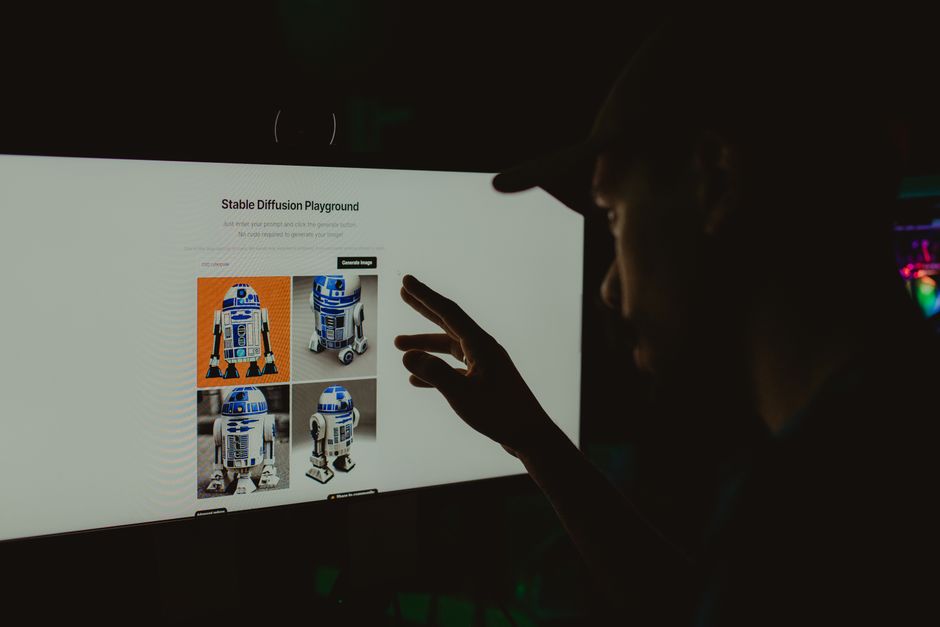
The stock photography and video industry, long dominated by professional photographers and videographers with expensive equipment, has been fundamentally transformed by generative AI. In 2026, AI-generated images and videos account for a substantial and growing share of stock media sales across major platforms. This shift has created an unprecedented opportunity for creators who understand how to generate commercially viable stock media using AI tools, with no camera equipment required beyond a computer.
The economics of AI stock media are compelling. Traditional stock photographers invest thousands of dollars in cameras, lenses, lighting, travel, and models, then spend days or weeks organizing, editing, and uploading their work. AI creators can generate hundreds of high-quality, commercially relevant images per day from a single computer. While individual AI images may sell for the same prices as traditional stock photos, the volume potential is dramatically higher, and the production cost is essentially zero after the AI tool subscription.
The key to success in AI stock media is understanding what buyers need and creating assets that fill genuine market gaps. Stock media buyers — graphic designers, marketing teams, publishers, web developers, and content creators — are looking for specific types of imagery that serve commercial purposes. Successful AI stock creators study best-selling categories, identify underserved niches, and produce assets that meet real commercial demand rather than creating images they personally find interesting.
Platform Policies and Selection Strategy
The major stock media platforms have adopted different policies regarding AI-generated content, and understanding these policies is essential for deciding where to invest your upload efforts. The landscape continues to evolve, but as of 2026, clear patterns have emerged.
Adobe Stock was an early adopter of AI-generated content, accepting submissions from its own Firefly generative AI platform as well as from approved third-party AI tools. Adobe requires clear disclosure of AI involvement and has guidelines about what types of AI-generated content are acceptable. As the platform of choice for many professional designers, Adobe Stock offers access to buyers who are accustomed to paying premium prices for quality assets.
Shutterstock has embraced AI content through its partnership with OpenAI and its own AI image generator. They accept AI-generated content with proper disclosure and have seen strong buyer demand. Shutterstock's vast customer base and established distribution make it a critical platform for AI stock creators. Their AI content guidelines require that submissions demonstrate significant human creative input and not simply be raw AI outputs.
iStock (Getty Images) accepts AI-generated content with specific guidelines. Getty has been more cautious than some competitors, but demand from their buyer base has driven expanded acceptance. Their quality standards are among the highest in the industry, and AI content that meets those standards can command excellent prices.
The key strategic insight is that platforms want AI content that serves buyer needs while maintaining quality standards and avoiding legal complications. Focus on creating high-quality, commercially relevant assets that meet platform guidelines, and prioritize platforms that provide the best combination of buyer access, pricing, and AI content policies.
Creating High-Demand AI Stock Images
Worth every penny.
Here's a real example from my own use: creating stock images that actually sell requires a strategic approach to subject matter, composition, style, and technical quality. The most successful AI stock creators treat image generation as a market-driven business, not an artistic exercise. They research what sells, study top-performing images in their chosen categories, and create assets that fill specific commercial needs.
Business and corporate imagery is the largest and most consistent stock photography category. Businesses need images of diverse professionals in workplace settings, modern office environments, team collaboration, presentations, and business meetings. AI can generate these scenes with precise control over demographics, setting, lighting, and mood. The key is creating images that look natural and authentic rather than obviously generated — buyers are increasingly sophisticated at detecting AI imagery and prefer results that could pass for professional photography.
Lifestyle and people photography is another high-demand category. Stock buyers need images of people in everyday situations: families spending time together, individuals working from home, people exercising, cooking, traveling, and celebrating. AI allows you to generate diverse representations across age, ethnicity, body type, and ability, filling gaps in traditional stock photography representation. Creating authentic-feeling lifestyle images requires careful attention to expression, body language, and environmental detail.
Abstract and conceptual imagery is where AI often excels beyond traditional photography. AI can generate unique textures, patterns, backgrounds, and conceptual illustrations that would be difficult or impossible to capture with a camera. These assets are popular for website backgrounds, presentation slides, marketing materials, and editorial use. Abstract AI imagery faces less competition from traditional photography and can command premium prices when it offers unique visual appeal.
AI Stock Video and Motion Content
Video content represents a rapidly growing segment of the stock media market, and AI video generation tools have opened this category to creators who previously couldn't produce video content. AI-generated stock video clips are in high demand for video productions, social media content, website backgrounds, and advertising.
AI video tools in 2026 can generate short video clips from text descriptions, animate static images, and create looping motion graphics. The most commercially viable AI stock videos include business scenes (people working, meetings, typing), nature and landscape footage, urban and city scenes, abstract motion backgrounds, and lifestyle moments. Short clips of 5-15 seconds that loop seamlessly are particularly valuable for web and social media use.
Quality requirements for stock video are higher than for still images. AI-generated video must be smooth, free of artifacts, and visually convincing. The best approach is to focus on video types where AI currently performs well — slow-moving scenes, abstract animations, and atmospheric footage — while avoiding complex human movements or fast action that AI video tools still struggle to render convincingly.
Pricing for AI stock video clips typically starts at similar levels to traditional stock video, though premium rates depend on uniqueness, resolution, and market demand. Building a substantial video portfolio can generate significant passive income, as individual clips may sell multiple times over the course of years.
Building and Optimizing Your Portfolio
Building a profitable stock media portfolio requires consistent effort over time. Unlike some digital products that can be created and forgotten, stock portfolios grow in value as you add more assets. Each upload is a potential income stream that can generate sales for years.
The way I see it, volume matters in stock media. A portfolio of 100 images will generate occasional sales, but portfolios of 5,000-10,000 images generate consistent daily income. AI enables you to build volume much faster than traditional methods, but quality must remain high. Focus on creating 20-50 high-quality assets per day, consistently, rather than generating hundreds of low-quality images that will never sell.
Keyword optimization is essential for stock media sales. Every image in your portfolio needs accurate, comprehensive keywords that help buyers find it in search results. AI can help generate keyword lists based on image content, but review and refine them to ensure accuracy and relevance. Include both descriptive keywords (what is in the image) and conceptual keywords (the mood, theme, or application of the image). Well-optimized keywords can dramatically increase your download rates.
Here's what I've noticed: category specialization helps you build expertise and recognition. While it is tempting to upload across many categories, specializing in 2-3 areas where you have strong skills and market demand allows you to build a reputation and a cohesive portfolio. Buyers browsing your portfolio are more likely to purchase multiple assets when they see consistent quality within their area of interest.
Scaling Your Stock Media Income
Once you have established a portfolio and begun generating sales, focus on scaling your income through portfolio expansion, platform diversification, and strategic product development.
Expanding your portfolio should follow a data-driven approach. Analyze which of your existing images sell best and create more assets in similar styles, categories, and subjects. Study your platform analytics to understand what buyers are searching for and where demand exceeds supply. Create seasonal content in advance — holiday imagery, seasonal backgrounds, and event-specific assets that capture timely search traffic.
Multi-platform distribution multiplies your income from each asset. Upload your best content to multiple stock platforms, as each platform has a different buyer base. An image that sells occasionally on Shutterstock might sell frequently on Adobe Stock, and vice versa. The additional effort of uploading to multiple platforms is minimal compared to the creation effort, and the income multiplication can be significant.
Consider creating complementary products that enhance your stock media income. Presets and filters for photo editing software, design templates that incorporate your stock images, and tutorials on using AI for stock creation are natural product extensions. These products leverage your existing creative work and audience to generate additional revenue streams beyond image licensing fees.
Too good to be true?
If You Only Remember One Thing
Here's a real example from my own use: - AI has democratized stock media creation, allowing anyone with a computer to generate commercially viable photos and videos
- Research platform policies carefully, focusing on those that accept AI content and provide good buyer access and pricing
- Create stock content that fills genuine commercial demand, prioritizing business, lifestyle, and abstract categories — your experience may differ, but this worked for me
- Build portfolio volume consistently with high-quality assets, aiming for broad catalog coverage in your chosen niches
- Optimize keywords thoroughly to ensure buyers can find your content in platform search results
- Scale through data-driven portfolio expansion, multi-platform distribution, and complementary product development
- Combine stock media income with AI Print on Demand strategies for a comprehensive visual content business
But how do you actually use this?