The AI-Powered Print on Demand Opportunity
The print-on-demand industry continues to grow as more entrepreneurs discover the appeal of selling custom-designed products without inventory risk or upfront investment. Artificial intelligence has supercharged this business model by making professional-quality design accessible to anyone, regardless of artistic ability. In 2026, the most successful POD sellers are those who leverage AI to create distinctive designs, identify winning product trends, optimize their listings for marketplace algorithms, and automate their marketing.
The core print-on-demand model is elegantly simple: you create designs, upload them to products on a POD platform, and when a customer orders, the platform prints and ships the product directly to them. You never handle inventory, manage packing and shipping, or deal with returns. Your role is design creation, product selection, and marketing. AI tools now make each of these functions dramatically more efficient, allowing a single entrepreneur to manage a product catalog that would have required a team just a few years ago.
The key to POD success in 2026 is quality and differentiation. The market is crowded with generic designs that lack creativity and appeal. AI gives you the ability to create unique, high-quality designs at scale, but the most successful sellers go further — they develop a distinctive style, target specific niche audiences, and create products that resonate emotionally with buyers. AI handles the production efficiency; your creativity and market insight drive the business.
AI Design Creation for POD Products
That's the short version.
Design creation is where AI has had the most transformative impact on the print-on-demand business. Previously, POD sellers needed either artistic talent or the budget to hire designers. Today, AI art generators enable anyone to create professional-quality designs in minutes, dramatically expanding what is possible for individual entrepreneurs.
AI design tools like Midjourney, DALL-E 3, Stable Diffusion, and specialized POD design tools can generate designs from text descriptions. The key to creating marketable designs is understanding what sells and crafting prompts that produce designs aligned with market demand. Successful AI POD designers study top-selling products in their niches, identify design patterns and styles that resonate with buyers, and use AI to create their own interpretations and variations.
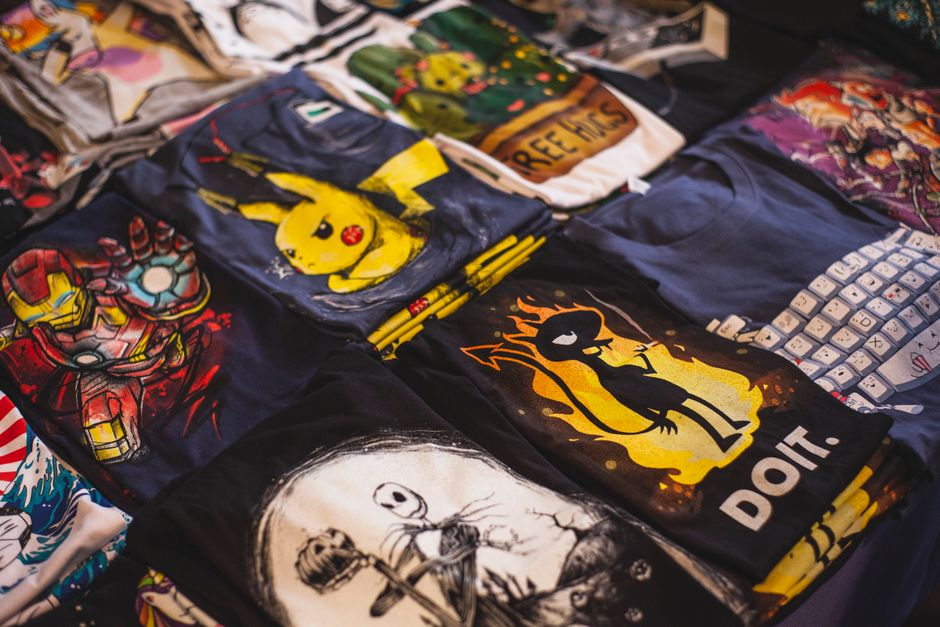
Design types that perform well on POD products include typography-based designs with meaningful quotes or phrases, minimalist illustrations with clean lines and limited colors, vintage and retro-style graphics, nature and landscape art, humorous and clever concepts, and niche-specific designs for hobbies, professions, and interests. Each design type appeals to different buyer segments, and successful POD sellers typically have a diverse catalog covering multiple styles and themes.
The most important technical consideration for AI POD designs is resolution and scalability. Designs must look good at the sizes required for different products — from small chest prints on t-shirts to large back prints and full-size wall art posters. Generate AI designs at high resolution and learn to vectorize or upscale them for print quality. Many successful sellers use AI for initial concept generation and then refine designs in graphic editing software, adding layers, adjusting colors, and optimizing for specific product requirements.
Niche Selection and Product Research
Choosing the right niches and products is critical for POD success, and AI tools make this research process faster and more data-driven. Rather than guessing which products will sell, use AI to analyze market trends, identify underserved niches, and validate product ideas before investing design time.
AI market research tools can analyze sales data, search trends, and social media engagement to identify growing niches with strong buyer intent. Popular POD niches in 2026 include pet owners (especially dogs and cats), fitness enthusiasts, hobby communities, professional identities (nurses, teachers, engineers), family and parenting, travel and location-based designs, and humor and lifestyle categories. Within each broad niche, look for specific sub-niches with passionate audiences and limited competition.
Product selection goes beyond the design itself — consider which products best showcase each design. T-shirts remain the most popular POD product, but hoodies, sweatshirts, tank tops, and long-sleeve shirts offer variety within apparel. Mugs, phone cases, tote bags, hats, pillows, blankets, and wall art provide opportunities for designs to appear on different surfaces. Wall art is particularly interesting for AI-generated designs, as high-resolution art pieces can command premium prices on canvas and framed prints.
Validate your product ideas by checking search volume for related keywords, analyzing competition on POD platforms, and testing small batches of designs before committing to extensive catalog expansion. AI can help with this validation by analyzing listing performance data, suggesting keywords with high search volume and low competition, and identifying product categories where demand exceeds supply.
Platform Selection and Listing Optimization
Your choice of POD platform significantly impacts your business operations, product range, and profit margins. The major POD platforms each have unique strengths, and many successful sellers use multiple platforms to maximize their reach.
Printful is the most popular POD platform for serious sellers, offering many high-quality products, worldwide fulfillment, and integrations with major ecommerce platforms like Shopify, Etsy, and WooCommerce. Printful's quality and reliability make it ideal for building a brand, though its base product costs are slightly higher than some competitors. Their mockup generator and product catalog are excellent for professional-looking product presentations.
After testing this extensively, printify offers a larger product catalog through a network of print providers, often at lower base costs. This allows for better margins or competitive pricing. The trade-off is less consistency since different providers handle different products. Printify works well for sellers who want maximum product variety and are willing to manage multiple provider relationships.
After testing this extensively, redbubble and Society6 are marketplace-based platforms where sellers upload designs and the platform handles everything — hosting, marketing, printing, shipping, and customer service. These platforms take a larger commission but require minimal ongoing effort. They are excellent for passive income once your design catalog is built, though you've less control over pricing and customer relationships.
Etsy has become a major destination for POD products, and listing optimization is crucial for success on this platform. AI can help with keyword-rich titles, detailed descriptions, and strategic tagging. Optimize each listing with relevant search terms, high-quality mockups showing products from multiple angles, and clear sizing and material information. Etsy's algorithm favors listings that generate sales, reviews, and favorites, so initial promotion to generate early engagement is important.
Marketing and Scaling Your POD Business
Marketing your POD products effectively is the difference between a store that generates consistent sales and one that gets lost in the marketplace. AI tools can help you create and optimize marketing across multiple channels.
Social media marketing is essential for POD success. Platforms like Pinterest, Instagram, and TikTok are visual-first platforms where product and design content can go viral. AI can help create social media content featuring your products, generate captions and hashtags optimized for each platform, and schedule posts at optimal times. Pinterest is particularly effective for POD because users actively search for product inspiration and click through to purchase.
Paid advertising on Facebook, Instagram, and Pinterest can accelerate growth for validated products. Use AI ad tools to create and test multiple ad variations, identify the best-performing creative and targeting combinations, and optimize your ad spend. Start with small daily budgets to test products and audiences, then scale campaigns that achieve your target return on ad spend.
Scaling your POD business involves expanding your design catalog, entering new product categories, and building a brand presence beyond individual marketplace listings. Create design collections around themes or seasons, develop a consistent aesthetic across your products, and build an email list of customers for repeat sales and new product announcements. The most successful POD businesses evolve from selling individual products to becoming recognized brands in their niches.
But how do you actually use this?
The TL;DR
- AI has democratized POD design creation, allowing anyone to create professional-quality designs without artistic skills (this one actually surprised me)
- Focus on specific niche audiences and develop a distinctive design style to stand out in the competitive POD market
- Use AI market research tools to identify trending niches, validate product ideas, and optimize your product catalog — took me a while to figure this out
- Choose POD platforms strategically, using multiple platforms to maximize reach and revenue
- Optimize product listings with AI-generated keywords, titles, and descriptions for marketplace search visibility
- Market through social media organically and targeted paid advertising, scaling campaigns for validated products — your experience may differ, but this worked for me
- Explore how AI-Generated Art can expand your POD design capabilities into higher-margin art print products — game changer in my workflow