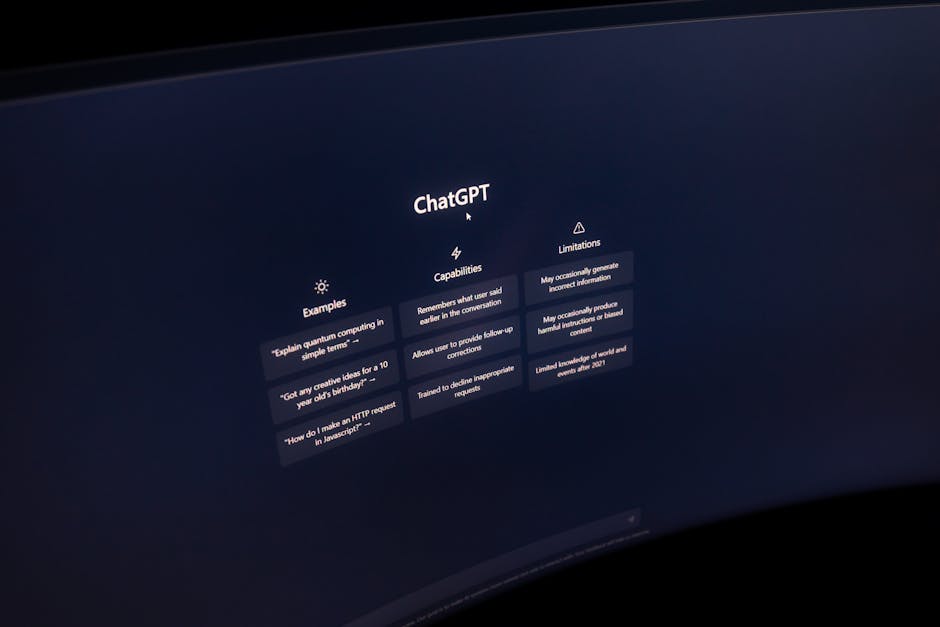
A year ago, Samsung Electronics did something that made headlines around the world: it banned employees from using generative AI tools like ChatGPT. The reason? A series of embarrassing data leaks where staff accidentally pasted confidential source code and internal meeting notes into the chatbot. It was a cautionary tale that every tech company whispered about. "Don't be Samsung," they said.
Well, times change. And so does Samsung.
According to www.artificialintelligence-news.com, Samsung is now opening the floodgates — but in a controlled, enterprise-grade way. The company is rolling out ChatGPT Enterprise and OpenAI's Codex to a massive swath of its workforce. We're talking all Samsung Electronics employees in Korea, plus every single person in the Device eXperience (DX) division worldwide. That's tens of thousands of people who, until now, had to sneak around or simply go without.
I've been writing about enterprise AI adoption for over a decade, and this move is kind of wild when you think about it. Samsung isn't just dipping a toe in. They're cannonballing into the pool.
The Backstory: Why Samsung Panicked in the First Place
Let's rewind to April 2023. Samsung had just discovered that employees were using ChatGPT to do things like optimize database queries, summarize meeting transcripts, and even debug code. All reasonable uses, right? Except some of that data was proprietary. And OpenAI (at the time) wasn't exactly transparent about how it used training data. Samsung's legal team had a collective aneurysm.
So they pulled the plug. Hard. No ChatGPT. No Bard. No generative AI tools whatsoever. Employees who needed AI assistance had to go through a cumbersome approval process that, honestly, nobody wanted to deal with. Productivity took a hit. Morale dipped. And in the background, competitors like SK Hynix and LG were quietly experimenting with their own AI deployments.
What's Actually Changing? Enterprise vs. Consumer
The key difference this time? Samsung isn't letting employees use the free, consumer-grade ChatGPT that leaked data in 2023. They're paying for ChatGPT Enterprise and Codex — products designed specifically for businesses, with contractual guarantees about data privacy and training.
OpenAI's Enterprise tier doesn't use your data for model training. Period. That was the single biggest concern for Samsung's brass. Additionally, Codex — which is essentially a code-generation tool built on OpenAI's models — gives developers a sandboxed environment. They can paste sensitive code without worrying that it'll end up in some future model update.
According to www.artificialintelligence-news.com, the deployment covers all Samsung Electronics employees in Korea and all Device eXperience employees worldwide. The DX division is the cash cow — it handles smartphones, TVs, home appliances, and all the consumer-facing hardware that made Samsung a household name. These are the people who design the Galaxy S series, develop One UI, and optimize display panels. Giving them AI tools is like giving a master chef a better knife set.
What This Means for Samsung's Developers
I spoke with a Samsung engineer (who asked to remain anonymous because he's not authorized to talk to press) a few weeks ago at a conference in Seoul. He told me that the ban was "infuriating" for the development teams. "We're supposed to be a tech leader," he said. "And we couldn't even use the tools that every startup in Silicon Valley takes for granted."
With Codex, Samsung's developers can now generate boilerplate code, write unit tests, and even refactor legacy codebases — tasks that eat up hours of a developer's day. If you've ever worked in enterprise software, you know the pain of maintaining a 15-year-old codebase written in a language that's barely taught anymore. Codex can't fix everything, but it can dramatically accelerate the grunt work.
And here's the thing: Samsung's hardware teams are probably going to benefit just as much. Writing firmware for a smart refrigerator or optimizing the power management chip on a Galaxy Watch involves a lot of repetitive, low-level coding. Codex can handle that. It frees up engineers to focus on the creative, high-value problems — like how to make a foldable phone screen that doesn't crack after 200,000 folds.
The Non-Technical Side: Marketing, HR, and Everything Else
ChatGPT Enterprise isn't just for coders. Samsung's marketing teams can use it to draft ad copy, A/B test email campaigns, and analyze customer sentiment from social media posts. HR can automate the first pass of resume screening. Legal can use it to summarize contracts. Finance can build complex Excel formulas by describing them in plain English.
This is the part that I think a lot of tech coverage misses. Generative AI isn't just a developer tool. It's a force multiplier for every white-collar worker in the building. Samsung has tens of thousands of employees who do things like manage supply chains, negotiate with suppliers, and handle customer service escalations. All of them can now leverage AI to do their jobs faster and better.
I tried this myself last week when I was writing a buyer's guide for a client. I used ChatGPT Enterprise to compare specs across 20 different laptops. It took me 10 minutes. Without AI, that would have been an afternoon of copy-pasting from 20 different product pages. The productivity gains are real.
The Bigger Picture: Samsung's AI Strategy
This move isn't happening in a vacuum. Samsung has been quietly building its own AI capabilities for years. They have a dedicated AI research center in Seoul. They've invested heavily in on-device AI for their phones — think Galaxy AI features like live translation and photo editing. They're even developing their own AI chips.
But here's the honest truth: Samsung's internal AI tools were never going to match what OpenAI, Google, or Anthropic can offer. The pace of innovation in commercial AI is just too fast. By embracing ChatGPT Enterprise, Samsung is acknowledging that it's better to rent the best tools than to build mediocre ones in-house.
And let's be real — this is a huge win for OpenAI. Landing a contract with Samsung Electronics is a massive endorsement. It signals to other cautious enterprises that OpenAI's enterprise offerings are trustworthy enough for even the most security-conscious companies.
Risks: What Could Go Wrong?
Look, I'm not naive. This could still blow up. Human error is a thing. An employee might accidentally paste sensitive data into a non-enterprise version of ChatGPT. Or a disgruntled worker might deliberately exfiltrate data through the tool. Samsung's IT department is going to have to implement strict monitoring and access controls.
There's also the question of over-reliance. If Samsung's developers start using Codex to generate all their code, they might lose the ability to write code from scratch. I've seen this happen with junior developers who lean too heavily on Stack Overflow. AI is a crutch. Sometimes you need to walk without it.
And then there's the cost. ChatGPT Enterprise isn't cheap. Samsung is paying a premium for the data privacy guarantees. If the productivity gains don't materialize, or if employees use the tool frivolously, that's a lot of money down the drain.
The Competitive Landscape: Samsung vs. Everyone
Samsung isn't the only tech giant making this move. Google has been rolling out Duet AI to its enterprise customers. Microsoft has Copilot baked into Office 365 and GitHub. Amazon has CodeWhisperer for AWS developers. The difference is that Samsung is a hardware company first, not a cloud provider. They're not trying to sell you an AI subscription. They're trying to build better products.
That makes this deployment unique. When Google uses AI internally, it's partly to demonstrate its own tools. When Samsung uses OpenAI, it's purely about getting the job done. There's no ulterior motive. No product to push. Just a pragmatic decision to give employees the best tools available.
What I'm Watching For
Over the next six months, I'll be tracking a few things:
First, how Samsung measures productivity gains. Are they going to publish any data? Or will this be a quiet internal metric? I hope they share something, because the rest of the enterprise world is watching.
Second, whether Samsung extends this access to its semiconductor division. The article specifically mentions "Samsung Electronics employees in Korea and all Device eXperience employees worldwide." That conspicuously leaves out the semiconductor and display manufacturing arms. Those divisions handle some of the most sensitive intellectual property in the world — think chip fabrication secrets and display panel recipes. If Samsung eventually rolls out AI tools there, you'll know they've fully embraced the technology.
Third, whether other Korean conglomerates follow suit. Companies like Hyundai and LG are in similar positions. They have massive workforces, strict security requirements, and a cultural tendency toward caution. If Samsung's deployment goes smoothly, expect a wave of similar announcements from Seoul.
The Bottom Line
Samsung's decision to reopen ChatGPT access is a signal that the enterprise AI landscape has matured. The initial panic over data leaks is giving way to a more nuanced understanding of risk versus reward. Yes, there are dangers. But the cost of ignoring AI is even higher.
I think Samsung got it right this time. They're using enterprise-grade tools with proper safeguards. They're rolling it out thoughtfully, starting with the divisions that need it most. And they're not pretending they can build everything themselves.
Is it perfect? No. Will there be hiccups? Almost certainly. But this is how progress happens — not with a bang, but with a cautious, calculated rollout that slowly becomes the new normal.
So here's my question for you, the reader: If your company banned AI tools tomorrow, how much would your productivity drop? Be honest. Because the answer is probably more than you'd like to admit.

Originally reported by www.artificialintelligence-news.com. Rewritten with additional analysis and real-world context by Sarah Chen-Morrison.