Pika AI has rapidly emerged as one of the most innovative and accessible AI video generation platforms, offering creators the ability to generate high-quality video content from text prompts, images, and existing video clips. Founded in 2023 by a team including Stanford AI researchers, Pika Labs quickly captured the imagination of the creative community with its ability to generate coherent, visually impressive video clips that go far beyond the early, rudimentary results of first-generation AI video tools. The platform's latest model, Pika 2.0, represents a significant leap forward, offering 4K video generation, extended clip lengths, multi-modal input, and professional-grade editing capabilities. This in-depth look covers everything you need to know to create stunning AI-generated videos with Pika in 2026.
Getting Started with Pika AI
Pika AI is accessible through a web browser at pika.art and through an official Discord server where the community shares creations and techniques. The web interface is the primary creation platform, offering a clean, intuitive design that lowers the barrier to entry for AI video creation. To get started, sign up with your email address or Google account. Pika offers a free tier that provides 500 credits per month (typically enough for 50 to 100 short video generations depending on quality settings). The paid plans include the Basic plan at $10 per month (2,500 credits, 720p resolution, longer clip length), the Pro plan at $28 per month (7,000 credits, 1080p resolution, commercial usage rights, priority processing), and the Unlimited plan at $56 per month (unlimited generations, 4K resolution, all features, early access to new models). Each video generation consumes credits based on the clip length, resolution, and generation type -- standard short clips (3 seconds) consume fewer credits than extended clips (10+ seconds) or high-resolution generations. When you access the Pika web interface, you are presented with the main generation dashboard. The central input area accepts your text prompt, with options to include a reference image, a starting video, or both. Below the input area are controls for generation parameters: aspect ratio (16:9, 9:16, 1:1, 4:3, 2.39:1 cinematic), motion scale (how much motion the AI generates, from subtle to dramatic), negative prompt (what you do not want in the video), and seed (for reproducible results). A library of style presets lets you apply specific visual aesthetics: Cinematic (film-like quality with depth of field and color grading), Anime (stylized animation), 3D Render (CGI-like appearance), Pixel Art (retro game aesthetic), Claymation (stop-motion look), and dozens more. Each preset modifies the AI's generation parameters to produce a distinct visual style. The generated video appears in a preview player where you can play it, download it, share it, or use it as input for further editing. Pika also provides a "Video to Video" feature where you can upload an existing video and transform its style while preserving the motion and structure. For example, you could upload a video of someone dancing shot on a smartphone and transform it into a cinematic film noir scene with period-appropriate styling, or convert a live-action video into a fully animated cartoon.
Mastering Prompts for AI Video Generation
Crafting effective prompts for Pika AI is the most important skill for achieving high-quality results. Unlike text-to-image prompts, video prompts need to describe not just the visual scene but also the motion, camera movement, and temporal dynamics. A well-structured video prompt typically includes several components. The Subject description defines what is in the scene: "A young woman with flowing red hair wearing a vintage leather aviator jacket, standing confidently beside a biplane at sunrise." The Actions and motion describes what happens: "She adjusts her goggles while looking at the horizon, wind gently moving through her hair and the tall grass around her." The Environment and atmosphere sets the scene: "Grassy airfield at golden hour, warm amber light, distant mountains, light fog near the ground." The Camera movement specifies the cinematic feel: "Slow dolly-in shot, shallow depth of field, cinematic 24fps, anamorphic lens flares." The Style and quality modifiers: "4K cinematic, film grain, realistic textures, volumetric lighting, award-winning cinematography." The Motion Scale parameter is crucial for controlling the amount of movement. A high motion scale (70-100) generates dynamic scenes with significant character movement, flowing fabrics, and active camera work. A low motion scale (1-30) produces subtle, atmospheric videos with gentle motion, ideal for establishing shots, portraits with slight movement, and calm scenes. For character-focused videos, Pika 2.0's "Character Consistency" feature allows you to upload reference images of a person or character, and the AI maintains that character's appearance across different scenes and actions. This is a significant advancement over first-generation AI video tools, where characters would change appearance between shots. To use character consistency, upload 2 to 5 images of the same person or character in different poses, and Pika creates a character profile. When you generate videos with that profile selected, the AI ensures the main character maintains consistent facial features, body type, clothing, and overall appearance across generations. For multi-character scenes, you can define multiple character profiles and specify their interactions. The "Negative Prompt" is equally important in video generation. Since AI video models can introduce unwanted artifacts, specifying what you want to avoid improves results significantly: "blurry, distorted faces, extra limbs, morphing, flickering, low quality, watermark, text overlay, jittery movement, unnatural physics."
Advanced Video Editing and Effects
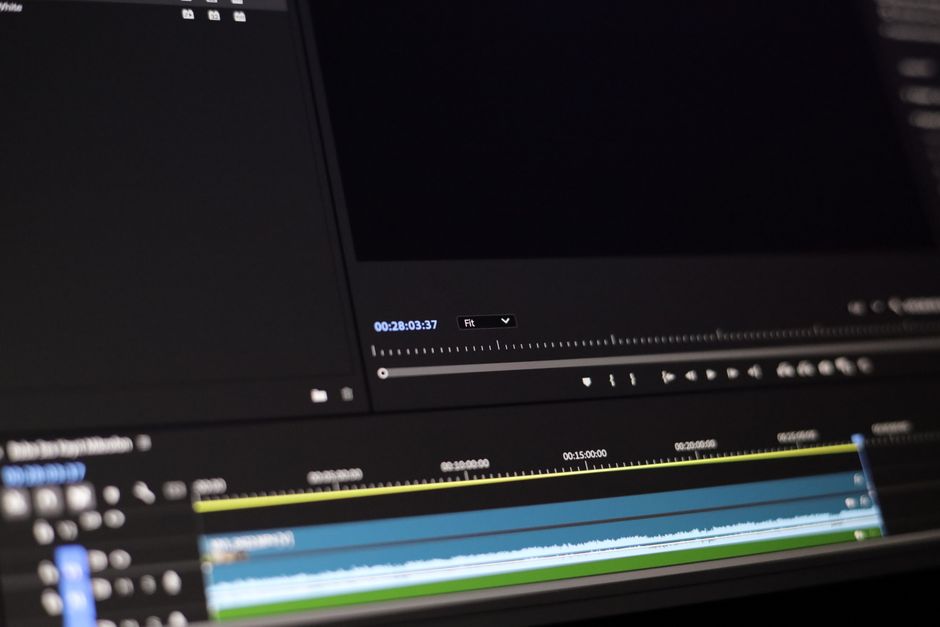
Pika AI isn't just a generation tool -- it also provides powerful video editing capabilities that allow you to refine and extend your AI-generated clips. The "Expand" feature extends a generated video beyond its original frame, similar to outpainting in image tools but for video. If your video clip feels too tightly framed, you can expand the canvas in any direction, and Pika AI generates new visual content that seamlessly matches the existing video's style, perspective, and motion. This is useful for changing aspect ratios or adding context to a scene. The "Morph" feature creates smooth transitions between two different video clips. You provide a start clip and an end clip, and Pika AI generates intermediate frames that seamlessly morph from one scene to the other. This creates stunning, fluid transitions that would be difficult to achieve with traditional video editing software. The morph can be applied to live-action footage, AI-generated clips, or a combination of both. The "Retexture" feature allows you to change the colors, textures, and materials of objects within a video while preserving their shape and motion. For example, you could change a car's color from red to blue throughout an entire video clip, or transform a modern building into a stone castle, with the AI maintaining the original lighting and camera movement. The "Lip Sync" feature is one of Pika's most impressive capabilities for character-driven content. You provide a video of a character and an audio file (speech or song), and Pika AI synchronizes the character's lip movements to match the audio. The lip sync works with both realistic human faces and animated characters, and the character's facial expressions remain natural and expressive rather than appearing stiff or robotic. This feature has opened up new possibilities for AI-generated dialogue scenes, music videos, and character monologues. For audio, Pika provides text-to-speech integration (selecting from multiple AI voices) and the option to upload your own audio files. The platform also supports sound effect generation, where you describe a sound ("crashing waves," "sword fight," "birds singing"), and Pika generates matching audio that syncs with the video's action. The "Video Blending" feature combines two videos into one composite scene. You provide a background video and a subject video, and Pika AI intelligently blends them with proper lighting, shadow, and perspective matching. This is analogous to green screen compositing but without needing any special equipment or manual keying.
Workflows for Different Content Types
I remember the first time I tried this— pika AI's versatility shines through specialized workflows for different types of video content. For cinematic storytelling, the "Storyboard to Video" workflow accepts multiple image prompts (storyboard frames) and generates a continuous video narrative that maintains visual consistency across scene transitions. You define each scene's prompt and duration, and Pika generates a complete short film with smooth transitions, consistent character appearances, and coherent visual style. This is revolutionizing pre-visualization for filmmakers, allowing directors to visualize scenes before production begins. For social media content creation, Pika's "Vertical Video" workflow optimizes for TikTok, Instagram Reels, and YouTube Shorts. The 9:16 aspect ratio generation is optimized for mobile viewing, with motion patterns that work well on small screens. The "Text Overlay" feature allows you to add animated text directly within Pika, with customizable fonts, colors, and animation styles that match the video's aesthetic. For music video production, Pika's "Audio Reactive" workflow generates video that responds to the rhythm, tempo, and mood of an uploaded audio track. The AI analyzes the music's beat structure, dynamics, and frequency spectrum, creating visual effects, transitions, and motion patterns that synchronize with the music. This turns any music track into a unique, AI-generated music video with minimal effort. For product and brand content, Pika's "Product Showcase" workflow is optimized for creating compelling product videos. You upload product images and provide a description of the motion you want (rotating display, zoom-in on details, lifestyle context), and Pika generates professional-looking product videos suitable for websites, social media, and advertising. For gaming content, Pika supports "Game Asset Animation," where you upload game character or environment stills and generate animation loops suitable for use in game cutscenes, promotional materials, or as dynamic background elements. The "Loop" feature creates seamless looping videos that blend perfectly from end to beginning, ideal for animated backgrounds, social media profile videos, and website hero sections.
Sound familiar?
Commercial Usage and Production Best Practices
Worth every penny.
Understanding the commercial landscape of AI-generated video is important for professional creators. Pika's Pro and Unlimited plans include commercial usage rights, allowing you to use generated videos in commercial projects, client work, and monetized content. The free and Basic plans limit usage to personal and non-commercial projects. For production-quality results, follow these best practices. First, use the highest resolution setting appropriate for your delivery format. 4K generation (available on Unlimited plan) provides the most flexibility for editing, cropping, and reframing in post-production. Second, generate multiple variations of each shot. AI video generation is probabilistic, and generating 5 to 10 variations of the same prompt typically yields at least one exceptional result. Pika's "Batch Generate" feature automates this process, generating multiple clips simultaneously. Third, use reference images for consistency. Providing a style reference image, a character reference, or a composition sketch dramatically improves the AI's ability to generate what you have in mind. Fourth, composite AI-generated clips with traditional footage. The best AI videos often use AI-generated clips as elements within a traditionally edited sequence, rather than expecting the AI to produce a finished film in one pass. Fifth, plan for sound design separately. While Pika provides audio generation, professionally produced videos benefit from dedicated sound design, background music, and foley effects that complement the AI-generated visuals. Sixth, be aware of the ethical guidelines around AI video. Disclose AI generation when publishing content, do not generate misleading or deceptive videos that could be mistaken for real footage, respect copyright by not prompting for specific copyrighted characters or styles, and use platform reporting tools for content that appears to violate these guidelines. Pika implements content moderation on prompts and generated content, but creators share responsibility for ethical use. The platform also supports a "Safety Filter" that creators can enable to automatically flag and block prompts that may generate problematic content. As AI video generation technology continues to advance rapidly, staying current with Pika's latest features, model updates, and community best practices is essential for creators who want to maintain a competitive edge in AI-assisted video production.
Why does this matter?
So, Should You Try It?
- Pika AI generates high-quality video from text prompts, images, and existing video clips, with the latest Pika 2.0 model supporting up to 4K resolution and extended clip lengths.
- Effective video prompts describe subjects, actions, environment, camera movement, and style, with the Motion Scale parameter controlling the amount of movement in the generated clip. — game changer in my workflow
- Advanced features include Character Consistency for maintaining appearance across shots, Lip Sync for matching audio to character mouths, Morph for smooth transitions, and Expand for canvas extension. (this one actually surprised me)
- Specialized workflows support cinematic storytelling, vertical social media video, audio-reactive music videos, product showcases, and seamless looping animations.
- Pro ($28/month) and Unlimited ($56/month) plans offer commercial usage rights, higher resolutions, and priority processing, with the free tier providing 500 monthly credits.
- Best practices include generating multiple variations, using reference images for consistency, compositing AI clips with traditional footage, and ethical disclosure of AI-generated content.
For more AI video and media tools, explore our Runway AI Video Generation Guide and Suno AI Music Generation Guide. For AI design and presentation tools, see Gamma AI Presentation Tool Tutorial.