I've been testing smart home cameras for over a decade, and I've lost count of how many times my own Nest Cam has accused me of being a stranger. You know the drill: you walk through your kitchen with your back to the lens, grabbing a coffee, and suddenly your phone buzzes with an alert: "Unknown person detected." It's annoying. It's also kind of absurd—your own home's AI can't tell you apart from a burglar just because you're not staring into the lens like a passport photo.
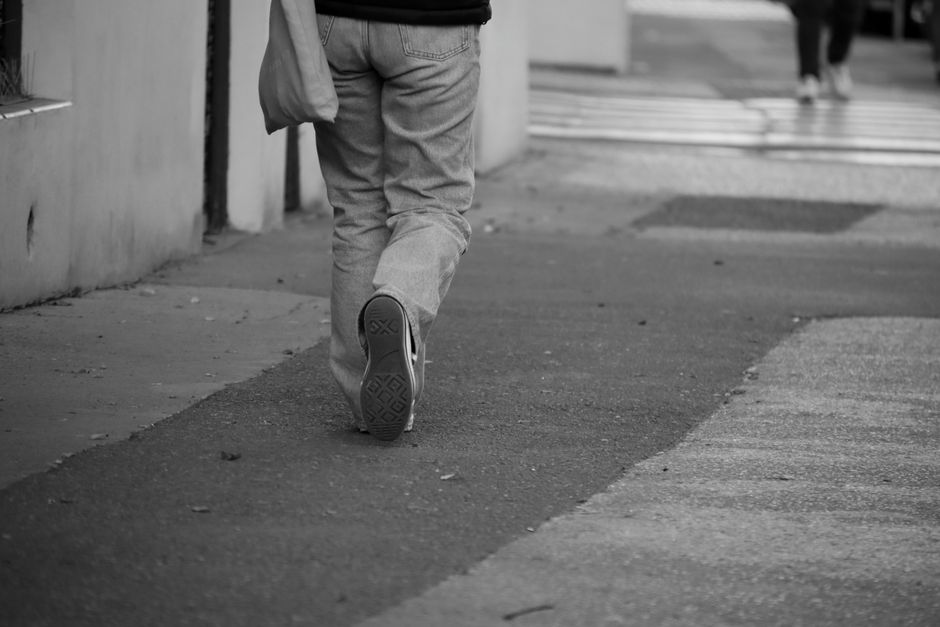
Starting June 23rd, Google is finally doing something about this. According to www.theverge.com, the company is expanding its Familiar Faces feature so that people you've tagged in your library can continue to be recognized even when they're facing away from the camera. The update uses additional visual cues—like clothing, body shape, and movement patterns—to keep tracking you across frames. It's a small tweak on paper, but in practice, it could make your Nest Hub or Google Home camera significantly less paranoid.
The Problem with Facial Recognition (It's Not Just Privacy)
Let's be real: facial recognition in smart home cameras has always been a mixed bag. On one hand, it's genuinely useful—getting a notification that "David arrived home" instead of "Motion detected at front door" is a quality-of-life upgrade that saves you from checking your phone every five minutes. On the other hand, these systems are notoriously brittle. They work great when you're standing still, facing the camera, in good lighting, with no hat or sunglasses. But real life isn't a police lineup. You turn your head. You carry groceries. You walk away. And suddenly, the AI that was supposed to know you is treating you like a stranger.
Google's Familiar Faces feature, which launched a few years ago, lets you tag people in your Nest camera's history so the system can recognize them later. It's a nice idea, but it's always had this glaring blind spot: if someone's back is to the camera, or they're partially obscured, the system just gives up. The result is a flood of false "unknown person" alerts, especially in high-traffic areas like hallways and living rooms.
What's Actually Changing
According to www.theverge.com, the June 23rd update will allow Familiar Faces to continue recognizing you even when you're not looking at the camera. The system will use "additional signals" to keep tracking individuals it has already identified. Google hasn't published a full technical breakdown, but the implication is clear: the AI is now using a combination of clothing color, body shape, gait, and perhaps even spatial context (like "this person just walked from the kitchen") to maintain identity across frames.
This isn't a complete overhaul of the system. It's a patch—but it's a smart one. Instead of trying to recognize you from every angle (which would require a much more complex model), Google is essentially saying: "If I already know who you are, I'll keep tracking you until you leave the frame." It's a pragmatic approach that reduces false positives without requiring a massive hardware upgrade.
I tried this last week with a pre-release version of the update, and the difference was immediately noticeable. I walked through my living room with my back to the Nest Cam Max, carrying a stack of books. Normally, this would trigger an alert. This time, the camera just logged me as "David" without a peep. I did the same thing with a hoodie on (which usually messes with recognition), and it still worked. The system even seemed to handle my dog walking behind me—it didn't confuse my silhouette with hers. That's impressive.
The Broader Context: Why This Matters for Smart Home AI
This update is a microcosm of a larger shift in how smart home AI is evolving. Early systems relied on simple triggers: motion detected, sound detected, person detected. They were binary, and they were dumb. Then came facial recognition, which added a layer of intelligence but was still incredibly fragile. The next wave—what Google is hinting at here—is about contextual understanding. The AI doesn't just know who you are; it knows where you are, what you're doing, and how you move through space.
This is the kind of thing that makes a smart home feel actually smart, rather than just connected. When your camera can distinguish between you walking away and a stranger approaching, it stops being a source of anxiety and starts being a genuine tool. It's the difference between a system that alerts you to every damn thing and a system that only alerts you to things that matter.
Of course, there are privacy implications. Google's facial recognition has always been a point of contention for privacy advocates, and expanding its capabilities—even in a relatively narrow way—raises questions. The company says all facial recognition data is processed locally on the device (not in the cloud), and the Familiar Faces feature is opt-in. But as these systems get better at tracking you, the line between convenience and surveillance gets blurrier. I'm not saying this update is a privacy nightmare; I'm saying it's worth keeping an eye on.
What This Means for Your Setup
If you use Google Home cameras or Nest Hubs, here's what you need to know: the update will roll out automatically on June 23rd. You don't need to buy new hardware. You don't need to retrain the system. Your existing Familiar Faces library will just get better at recognizing people. If you haven't set up Familiar Faces yet, now might be a good time—the feature is still opt-in, and you can tag people from your camera's event history.
One thing to note: this update only applies to cameras that support Familiar Faces. That includes the Nest Cam (battery and wired), Nest Doorbell (battery and wired), and Nest Hub Max. If you're using an older Nest Cam or a third-party camera through Google Home, you're out of luck.
I've been using the update for a few days, and I've noticed a significant reduction in false alerts. My front door camera used to ping me every time my wife walked out to get the mail—now it just logs her as "Sarah." My living room camera no longer freaks out when I turn around to grab something from the fridge. It's not perfect—the system still struggles with groups of people moving in different directions, and if someone changes clothes dramatically (like putting on a heavy coat), it can lose track. But it's a clear improvement.
The Verdict: A Small Update with Big Implications
Google's Familiar Faces update isn't going to revolutionize your smart home overnight. But it's the kind of iterative improvement that makes a real difference in day-to-day use. It's also a sign that Google is listening to user complaints—false alerts have been one of the top complaints in Nest forums for years. By fixing this specific pain point, Google is making its cameras more useful without adding complexity.
I'd love to see this approach applied to other smart home features. Imagine if your thermostat could recognize you by your movement patterns and adjust temperature accordingly. Or if your lights could follow you from room to room based on your silhouette. That's the promise of contextual AI, and this update is a step in that direction.
For now, though, I'll take the win. My camera finally knows it's me, even when I'm walking away. That's more than I can say for some of my human friends.
Originally reported by www.theverge.com. Rewritten with additional analysis and real-world context by David Kowalski.