The Rise of AI in Personal Fitness and Health
The fitness and wellness industry has undergone a profound transformation with the integration of artificial intelligence. Gone are the days when fitness apps simply tracked steps or counted calories. Today's AI-powered health applications serve as comprehensive wellness coaches that understand your body, adapt to your progress, and provide personalized guidance that rivals in-person training — often at a fraction of the cost.
What makes AI health and fitness apps truly revolutionary is their ability to continuously learn from your data. Every workout you complete, every meal you log, every night of sleep you track feeds the AI's understanding of your unique physiology and habits. The more you use these apps, the more personalized and effective their recommendations become. This creates a virtuous cycle where better data leads to better guidance, which leads to better results, which leads to more engagement.
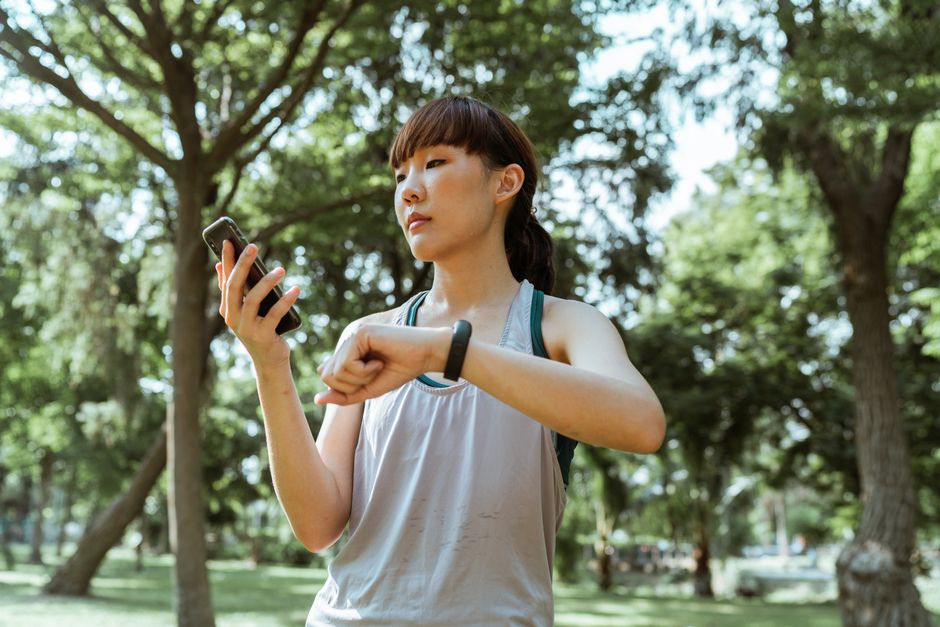
In 2026, AI fitness apps have become sophisticated enough to analyze exercise form through your phone's camera, adjust workout intensity based on your recovery metrics, and even predict potential injuries before they happen. They integrate with wearable devices to create a complete picture of your health that spans activity, sleep, heart rate variability, blood oxygen levels, and stress markers. Let us explore the best ways AI can support your health and fitness journey.
AI-Powered Workout Planning and Form Correction
That's the short version.
One of the most impactful applications of AI in fitness is personalized workout planning. Traditional workout programs take a one-size-fits-all approach or require expensive personal trainers to customize. AI workout planners create individualized programs that adapt based on your goals, experience level, available equipment, recovery status, and even your menstrual cycle if relevant.
When you start with an AI fitness app, it typically assesses your current fitness level through a series of baseline tests. Based on your goals — whether that's building muscle, improving endurance, losing weight, or increasing flexibility — the AI designs a progressive program that challenges you appropriately without risking overtraining. As you log your workouts, the AI adjusts the exercises, weights, reps, and rest periods based on your performance and feedback.
Perhaps the most exciting development is AI-powered form correction. Using your smartphone camera, apps like Fitbod and others can now analyze your exercise technique in real-time. The AI tracks your joint angles, movement patterns, and speed of motion to identify form errors that could reduce effectiveness or cause injury. If you are performing a squat and your knees are caving inward, the AI detects this and provides verbal or visual correction cues. This brings a level of coaching precision that previously required a dedicated personal trainer watching every rep.
AI also excels at exercise variation and progression. When you stall on a particular exercise, the AI can recommend alternatives that target the same muscle groups differently. When you are traveling without access to your usual equipment, it can design effective workouts using whatever is available. This adaptability ensures your training remains consistent regardless of changing circumstances.
AI Nutrition and Meal Tracking
Game changer.
Nutrition tracking has been changed by AI that can analyze food from photos, understand nutritional needs at a deep level, and create meal plans that align with your fitness goals and dietary preferences. Instead of manually logging every ingredient, you can simply take a photo of your meal, and AI identifies the foods, estimates portion sizes, and calculates nutritional content with impressive accuracy.
Advanced AI nutrition apps go beyond simple calorie counting. They analyze the micronutrient composition of your diet, identify gaps in your nutrition, and suggest specific foods to address deficiencies. If your iron intake has been low, the AI might recommend iron-rich foods that fit your taste preferences. If your protein intake is adequate but your fiber is lacking, it will suggest adjustments that keep your macro targets while improving your micronutrient profile.
For people with specific dietary needs, AI nutrition planning is particularly valuable. Whether you are vegan, keto, paleo, or managing conditions like diabetes or food allergies, the AI can create diverse meal plans that respect your constraints while ensuring nutritional adequacy. It can also suggest alternatives when you are bored with certain meals, keeping your diet varied and sustainable.
I remember the first time I tried this— meal timing and nutrient distribution is another area where AI provides sophisticated guidance. Based on your workout schedule, sleep patterns, and goals, the AI can recommend optimal timing for meals and specific macronutrient distributions throughout the day. For athletes, this includes guidance on pre-workout and post-workout nutrition that maximizes performance and recovery.
I've found that AI for Cooking and Meal Planning explores more deeply how AI can transform your relationship with food and nutrition.
AI Sleep Analysis and Recovery Optimization
Sleep is arguably the most underrated component of health and fitness, and AI has brought unprecedented insight into sleep quality and recovery optimization. Modern AI sleep trackers use a combination of wearable sensors, environmental monitoring, and behavioral data to provide a comprehensive picture of your sleep health.
These systems analyze your sleep stages, tracking time spent in light, deep, and REM sleep throughout the night. More importantly, they identify patterns and correlations that affect your sleep quality. The AI might discover that your deep sleep decreases on days when you eat late, or that your REM sleep improves when you do evening stretching. These personalized insights allow you to make targeted adjustments to your evening routine for better rest.
Recovery scoring has become a central feature of AI fitness platforms. By combining data from your sleep, heart rate variability, resting heart rate, and previous day's activity, the AI generates a daily recovery score that indicates how ready your body is for intense exercise. On days when your recovery is low, the AI recommends easier workouts or active recovery. On high-recovery days, it suggests pushing harder. This dynamic approach to training intensity is far more effective than static workout schedules.
AI also provides actionable recommendations for improving sleep hygiene. It can suggest optimal bedtimes based on your wake-up time and natural sleep cycles, recommend adjustments to your bedroom environment, and even guide breathing exercises or meditation sessions that help you fall asleep faster. The cumulative effect of these micro-adjustments can significantly improve sleep quality over time.
AI Health Monitoring and Preventive Care
Beyond fitness and nutrition, AI health apps are increasingly capable of monitoring vital health metrics and identifying potential issues before they become serious. Wearable devices paired with AI analysis can detect irregular heart rhythms, monitor blood pressure trends, track blood glucose levels, and even identify early signs of respiratory infections through changes in your baseline metrics.
Let me give you a concrete example. For women's health, AI apps provide sophisticated cycle tracking that goes beyond period prediction. They can predict ovulation windows, track symptoms throughout the menstrual cycle, and identify patterns that might indicate hormonal imbalances. Some apps can even predict PMS symptoms and suggest preemptive lifestyle adjustments to minimize discomfort.
Here's the thing: stress management is another area where AI health monitoring excels. By analyzing heart rate variability, skin conductance, and behavioral patterns, AI can detect rising stress levels and intervene with breathing exercises, meditation prompts, or suggestions for stress-reducing activities. Over time, the AI learns what stress management techniques work best for you and proactively suggests them before stress reaches problematic levels.
What surprised me was for those managing chronic conditions, AI health monitors offer continuous oversight that supplements medical care. Diabetics can benefit from AI-powered glucose monitoring that predicts blood sugar trends and provides dosing recommendations. People with hypertension can track blood pressure patterns and receive lifestyle recommendations for better management. While AI is not a replacement for medical professionals, it provides valuable data and insights that help patients and doctors make more informed decisions. For related reading, see AI for Mental Health and Wellness.
Sound familiar?
Building an Integrated AI Health System
The most powerful approach to AI-powered health and fitness is building an integrated system where your apps and devices work together seamlessly. Start by choosing a primary health platform that can serve as a hub for your data. Popular options include Apple Health, Google Fit, or dedicated platform apps like Whoop or Oura that come with their own AI analysis.
Connect your wearable device — whether a smartwatch, fitness band, or smart ring — to your primary platform. These devices collect the raw data that powers AI analysis, so their accuracy matters. Then add specialized apps that focus on your specific goals: a workout planner for strength training, a nutrition app for diet tracking, a meditation app for stress management, and a sleep analyzer for recovery optimization.
The key is ensuring these tools share data with each other. When your sleep app tells your workout app that you had a poor night of rest, the workout AI can automatically reduce the recommended intensity for the day. When your nutrition app notes that you've been eating more carbohydrates, the fitness AI can schedule a more glycogen-intensive workout. This cross-app intelligence creates a holistic health system that adapts to your complete wellness picture.
Let me give you a concrete example. Remember that consistency matters more than perfection. The best AI health system is one you will actually use daily. Start with one or two apps, build the habit of tracking, and expand your system as the routine solidifies.
If You Only Remember One Thing
- AI fitness apps create personalized workout plans that adapt to your progress, recovery status, and available equipment
- Camera-based form correction brings personal trainer-level coaching to your home workouts — took me a while to figure this out
- AI nutrition apps can analyze meals from photos, track micro and macro nutrients, and create customized meal plans
- AI sleep and recovery analysis optimizes training intensity based on your body's readiness — wish I'd known this six months ago
- Health monitoring AI can detect early signs of issues and provide preventive care guidance
- An integrated AI health system where apps share data creates holistic, adaptive wellness support — your experience may differ, but this worked for me
What's the catch?