The AI Music Revolution
Music and technology have always been closely linked, but artificial intelligence has accelerated the relationship to an unprecedented degree. In 2026, AI isn't just changing how we discover music but how we create it. From amateur musicians making their first tracks to professional producers crafting chart-topping hits, AI tools have become essential partners in the creative process.
The most exciting aspect of AI in music is how it democratizes creation. Making music has historically required years of training, expensive equipment, and access to professional studios. AI music tools have lowered these barriers dramatically. Anyone with an idea can now create professional-sounding music, compose original songs, and produce complete tracks regardless of their technical training or access to instruments.
AI's role in music falls into two broad categories: creation and discovery. On the creation side, AI tools assist with composition, arrangement, sound design, mixing, and mastering. On the discovery side, AI powers the recommendation engines that help listeners find new music tailored to their tastes. Both areas have seen transformative advances that are reshaping the music industry.
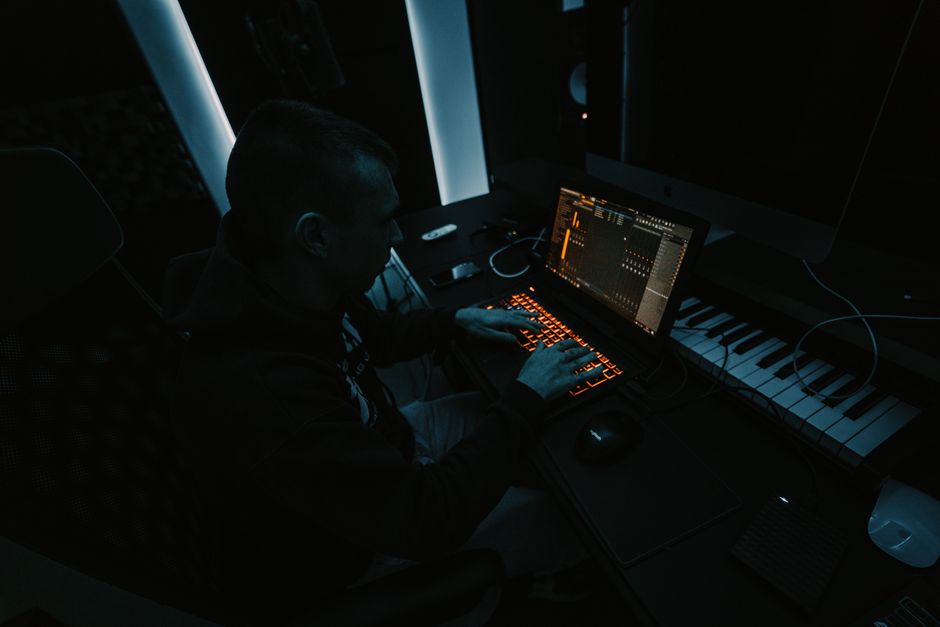
AI Music Composition and Songwriting
Let me explain.
AI music composition tools have evolved from novelty generators that produced random melodies into sophisticated creative partners that understand music theory, genre conventions, and emotional expression. These tools can help at every stage of the songwriting process, from generating initial ideas to developing complete arrangements.
Modern AI composition tools can generate melodies, chord progressions, bass lines, and drum patterns in virtually any genre. You provide parameters like key, tempo, mood, and style, and the AI generates multiple options that you can use as starting points or incorporate directly into your music. The AI understands the structural elements of different genres — the typical verse-chorus-bridge structure of pop songs, the harmonic complexity of jazz, the rhythmic patterns of hip hop.
What makes these tools truly useful is their interactivity. You can generate an idea, modify it, and generate variations. You can feed the AI a melody you hummed into your phone and have it develop that melody into a complete arrangement. You can give the AI a chord progression and ask it to generate a complementary melody. The AI works as an extension of your creativity, not a replacement for it.
After testing this extensively, for lyric writing, AI songwriting assistants can generate lyrics in specific styles, rhyme schemes, and meters. They understand themes and emotional arcs and can suggest lines that fit the musical context. While AI-generated lyrics rarely match the depth and authenticity of the best human songwriting, they provide excellent starting material and can help overcome writer's block.
AI Music Production and Mixing
AI has made perhaps its biggest impact in music production and mixing, areas that traditionally required extensive technical knowledge and expensive studio equipment. AI mixing tools can automatically balance levels, EQ each track, add appropriate compression and reverb, and produce polished mixes that rival professional work.
The key advantage of AI mixing is speed. What might take a human engineer hours of careful adjustment can be accomplished by AI in seconds. For independent musicians and home studio producers, this is transformative. Instead of spending more time mixing a song than writing and recording it, artists can get professional-quality results quickly and focus their energy on creativity.
AI mastering services have become the standard for independent music releases. Mastering — the final polish that prepares a mix for distribution — requires specialized equipment, treated rooms, and years of experience. AI mastering tools analyze your mix and apply appropriate processing for different platforms, whether you're releasing on streaming services, vinyl, or CD. The results are consistently good, and the cost is a fraction of professional mastering.
Let me give you a concrete example. For sound design, AI can generate custom sounds and samples based on text descriptions. Need a bass sound that's "warm, round, and slightly gritty"? Describe it, and the AI generates it. Need a drum sound that fits a specific era or genre? The AI can synthesize it. This capability puts unlimited sound possibilities in the hands of producers without requiring deep knowledge of synthesis.
AI Music Discovery and Personalized Listening
Music discovery is where most people first encountered AI in music, through platforms like Spotify, Apple Music, and YouTube Music. These recommendation systems have become remarkably sophisticated, but they have also evolved beyond simple collaborative filtering into deep understanding of music itself.
Modern AI music discovery analyzes the actual audio characteristics of songs — tempo, key, energy, danceability, acousticness, valence, and dozens of other attributes — to find music that sounds like what you enjoy. This audio-based analysis allows the AI to recommend songs that are genuinely similar in feel, even if they come from different genres or eras that traditional categorization would not connect.
Context-aware listening has become a standard feature. AI music platforms now understand that your music needs change throughout the day. Your morning commute playlist is different from your workout playlist, which is different from your focus music, your dinner party background, and your wind-down evening listening. The AI learns these contextual preferences and creates dynamic playlists that adapt to your current situation.
Deep discovery features in modern music apps help listeners move beyond the surface of popular music. AI can analyze your taste profile and find obscure artists, rare tracks, and niche genres that match your specific preferences. For music enthusiasts who crave new discoveries, these features unlock the vast long tail of music that traditional radio and charts never surface.
AI for Live Performance and DJing
AI is increasingly being used in live music performance, both as a creative tool for musicians and as an accessibility tool that allows people with limited musical training to perform expressively. AI performance tools can handle accompaniment, generate real-time responses to a musician's playing, and even create visual elements that synchronize with the music.
Here's the thing: for DJs, AI tools have become powerful creative partners. AI can analyze your music library, suggest seamless transitions between tracks, and even predict which songs will work well together based on key, tempo, and energy level. Some AI DJ tools can generate entire sets automatically, though the best performances still come from human DJs who use AI as a tool rather than a replacement.
Generative music for live settings has become popular for ambient performances, meditation sessions, and interactive installations. AI systems create music that evolves in real-time, never repeating exactly, responding to the environment or audience input. These performances create unique experiences that would be impossible to replicate with pre-composed music.
AI for Entertainment Recommendations discusses how AI recommendation systems work across music, video, and other entertainment media.
The Ethics of AI in Music
Big difference.
As AI music tools become more powerful, they raise important ethical questions about creativity, copyright, and compensation. When an AI generates a melody that sounds like a famous artist's style, who owns that melody? When AI is used to create music in the style of a specific artist without their involvement, is that ethically acceptable?
For music creators, the key principle is transparency. Using AI as a creative tool is different from passing off AI-generated music as entirely human-created. Many musicians are open about their use of AI in production and mixing, while treating composition and songwriting as primarily human endeavors. Finding the right balance for your own work is a personal choice.
For listeners, AI-recommended music opens up incredible discovery opportunities but can also create filter bubbles where you only hear music within narrow taste boundaries. Periodically exploring outside your recommended zone, trying genres you don't usually listen to, and engaging with music actively rather than passively can keep your musical horizons broad.
What's the catch?
So, Should You Try It?
- AI music composition tools generate melodies, chord progressions, and arrangements that serve as creative starting points or complete foundations for songs
- AI mixing and mastering delivers professional-quality results at a fraction of the time and cost of traditional methods
- AI sound design generates custom sounds and samples from text descriptions, expanding creative possibilities
- AI music discovery uses audio analysis to find genuinely similar music across genre boundaries (this one actually surprised me)
- Context-aware listening AI creates dynamic playlists that adapt to your activity, time of day, and emotional state
- Ethical AI music creation requires transparency about AI's role and respect for artists' creative rights — game changer in my workflow