Introduction
Getting dressed each morning might seem like a simple task, but for many people, it's a daily source of stress and indecision. Artificial intelligence is stepping into the closet to help. AI-powered fashion styling apps and wardrobe management tools are transforming how we think about clothing, making it easier to curate a cohesive wardrobe, discover personal style, and make smarter purchasing decisions. The global online fashion retail market is projected to exceed $1 trillion by 2027, and AI is becoming central to how consumers discover, try on, and purchase clothing. From virtual try-on technology that eliminates the guesswork of online shopping to AI stylists that plan outfits based on your calendar and weather, these tools are making fashion more accessible, sustainable, and personalized. This article explores the key applications of AI in personal fashion styling and how these technologies are changing our relationship with clothing.
Virtual Wardrobe Management and Digital Closets
The foundation of AI-powered personal styling is the digital wardrobe. Apps like Whering, Cladwell, and Stylebook allow users to photograph and catalog their entire clothing collection, creating a digital inventory that AI algorithms can analyze and organize. Users simply take photos of their garments against a plain background, and the AI automatically identifies the item type, color, pattern, fabric texture, and seasonality. This digital closet becomes the basis for all subsequent recommendations, from outfit creation to shopping suggestions.
Once your wardrobe is digitized, AI can perform analysis that would be tedious to do manually. It can identify gaps in your wardrobe—perhaps you have plenty of casual tops but lack interview-appropriate options, or you own many pieces in cool tones but nothing in warm earth tones. It can calculate cost-per-wear for each item, helping you understand which purchases have been worthwhile and which were mistakes. Some apps connect with weather APIs to suggest appropriate outfits based on the forecast, or sync with your calendar to recommend looks suited to specific events. The most sophisticated systems learn your style preferences over time, noting which outfits you actually wear versus which you skip, and adjusting their recommendations accordingly. This continuous learning makes the AI more valuable the longer you use it.
Outfit Recommendation and Styling Engines
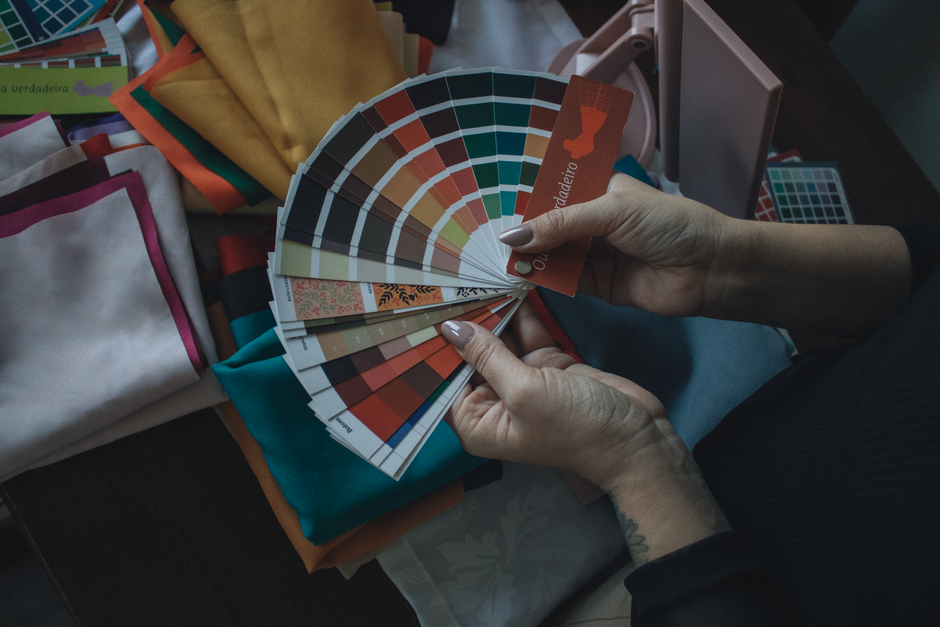
The core value proposition of AI styling apps is their ability to generate outfit combinations from your existing wardrobe. While even a modest wardrobe of 50 items can theoretically produce thousands of combinations, most of those combinations are not actually wearable. AI styling engines use fashion theory rules—color harmony, proportion, pattern mixing, silhouette balance—combined with learned preferences to suggest cohesive outfits. Apps like YourCloset and Comby can generate a week's worth of outfits from your wardrobe in seconds, ensuring variety while maintaining your personal style.
Advanced recommendation engines consider factors beyond aesthetics. They can incorporate dress codes (business formal, smart casual, weekend casual), occasion types (meetings, dates, workouts, travel), and even personal comfort preferences. Some systems use what's called "constraint-based recommendation," which allows users to specify requirements like "I need to wear my blue blazer" or "I want to feature my new boots," and the AI will build outfits around those anchor pieces. This flexibility makes these tools practical for real-world use, where outfit decisions often involve balancing multiple priorities. The best systems also track which outfits you've worn recently to ensure variety and can suggest "fresh" combinations that incorporate pieces you might have forgotten about.
AI-Powered Virtual Try-On and Sizing
One of the biggest barriers to online clothing shopping is the inability to try items on before purchasing. AI-powered virtual try-on technology is rapidly solving this problem. Platforms like Zyler, Vue.ai, and Google's virtual try-on feature use computer vision and augmented reality to show how garments will look on a model that matches your body type, or even on a digital avatar of yourself. Users can submit a photo or use their phone camera to see how different styles, sizes, and colors look on their body in real time.
Let me give you a concrete example. Even more practical for reducing return rates is AI-powered size recommendation. Companies like True Fit and Fit Analytics use machine learning algorithms that consider not just standard measurements but also brand-specific sizing variations, fabric stretch characteristics, and garment cut. Users answer a few questions about their height, weight, and fit preferences, and the AI builds a "fit profile" that can recommend the right size across thousands of brands. These systems learn from millions of purchase and return data points, constantly improving their accuracy. The result is a significant reduction in size-related returns, which currently cost the fashion industry billions annually. For consumers, this means more confidence when ordering online and fewer frustrating experiences with ill-fitting clothes.
Sustainable Fashion and Wardrobe Optimization
AI fashion tools are also powerful allies in the movement toward more sustainable consumption. By helping people make the most of the clothing they already own, these apps reduce the impulse to buy new items unnecessarily. The average garment is worn only seven to ten times before being discarded, and AI styling apps directly combat this by helping users rediscover forgotten pieces and create new outfits from existing items. Some apps track environmental impact metrics, showing users how their fashion choices affect their carbon footprint and encouraging more sustainable habits.
When it's time to shop, AI can guide users toward more sustainable choices. Some platforms integrate databases of brand sustainability ratings, material sourcing information, and labor practice certifications. An AI stylist might suggest a high-quality piece that costs more upfront but offers better cost-per-wear than cheaper alternatives, or recommend secondhand options from resale platforms like The RealReal and Depop. By combining personal style analysis with sustainability data, these tools help fashion-conscious consumers align their shopping habits with their environmental values without sacrificing their sense of style.
The TL;DR
Something I wish I'd known earlier: - AI-powered digital wardrobe apps catalog and analyze your entire clothing collection, identifying gaps, tracking cost-per-wear, and learning your style preferences over time.
- Outfit recommendation engines generate cohesive looks from existing items, considering color theory, occasion, weather, and personal comfort to create practical daily outfits.
- Virtual try-on technology using computer vision and AR allows shoppers to see how garments fit before purchasing, significantly reducing return rates.
- AI size recommendation systems analyze brand-specific sizing, fabric properties, and millions of customer data points to predict the perfect fit.
- Sustainable fashion features help users maximize existing wardrobes, discover forgotten items, and make environmentally conscious purchasing decisions.
Something I wish I'd known earlier: for more AI tools that enhance daily life, read our guide on AI for Interior Design and Home Decor and AI for Meditation and Mindfulness.
Sounds simple, right?