Introduction
Parenthood in the digital age comes with a powerful new ally: artificial intelligence. Today's AI-powered baby monitors and parenting tools go far beyond the grainy audio monitors of previous generations, offering features like cry translation, breathing pattern analysis, sleep tracking, and developmental milestone monitoring. These technologies are giving parents unprecedented visibility into their baby's well-being while reducing the anxiety that often accompanies new parenthood. According to a 2024 market analysis, the smart baby monitor market is projected to exceed $3 billion by 2028, driven by advances in computer vision, sensor technology, and machine learning algorithms. This article examines the transformative role of AI in baby monitoring and parenting, exploring both the capabilities and considerations of these increasingly sophisticated tools.
AI-Powered Video Monitoring and Cry Analysis
I'll be honest: modern AI baby monitors represent a quantum leap from traditional audio monitors. Devices like the Nanit Pro, Cubo AI, and Miku use computer vision and machine learning to deliver insights that were previously impossible without direct observation. These monitors can automatically detect when a baby's face is covered by a blanket—a key risk factor for SIDS—and send an immediate alert to parents' phones. They track sleep quality by analyzing movement patterns, breathing rates, and even room temperature and humidity, presenting this data in easy-to-understand dashboards that help parents optimize their baby's sleep environment.
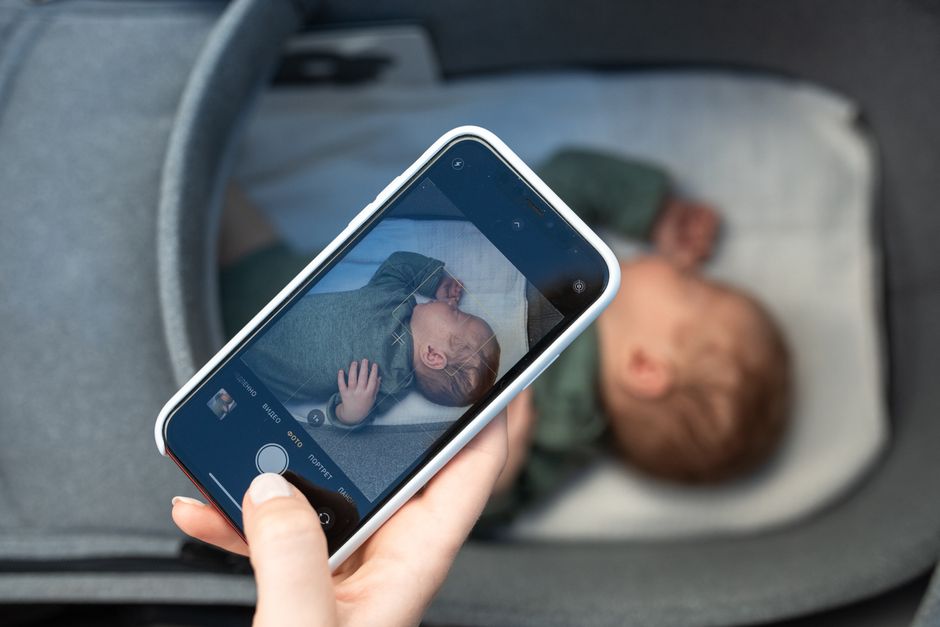
Here's a real example from my own use: one of the most intriguing developments is AI-powered cry analysis. Apps like Ubenwa and integrated features in monitors like the Snuza Hero use machine learning algorithms trained on thousands of recorded infant cries to distinguish between different types of crying. Research suggests that infant cries carry acoustic signatures that can indicate hunger, discomfort, pain, or even underlying health conditions. While these tools aren't diagnostic medical devices, they can help parents interpret their baby's needs more accurately, potentially reducing frustration and strengthening the parent-child bond. Some advanced systems can even detect early signs of conditions like jaundice or respiratory distress by analyzing subtle changes in cry patterns over time.
Breathing and Movement Monitoring for Safety
Really well, actually.
Perhaps the most anxiety-relieving application of AI in baby monitoring is continuous breathing and movement tracking. Traditional breathing monitors use a pad placed under the crib mattress, but these can produce false alarms and don't track movement patterns. AI-powered solutions like the Owlet Dream Sock and the Miku Smart Monitor use entirely different approaches. The Owlet system, while not an AI monitor per se, uses pulse oximetry to track heart rate and oxygen levels, feeding data into algorithms that learn the baby's normal ranges and alert parents to concerning deviations.
More advanced systems use computer vision to track breathing without any wearable component. The Miku monitor, for example, uses a technology called "respiratory contactless sensing" that detects the microscopic chest movements associated with breathing. Machine learning algorithms filter out environmental noise and distinguish between the baby's movements and other motion in the room. This contactless approach has significant advantages: nothing needs to be attached to the baby, there are no false alarms from the baby rolling off a sensor pad, and parents can get continuous breathing data throughout the night. These systems also track rolling patterns, which can help parents understand when their baby is ready to sleep without swaddling or when they might be at higher risk for positional asphyxiation.
Is it worth the effort?
Sleep Tracking and Personalized Sleep Coaching
Sleep is one of the biggest challenges for new parents, and AI is offering data-driven solutions to help families get more rest. AI-powered sleep trackers learn each baby's unique sleep patterns and provide personalized recommendations. The Nanit system, for instance, uses computer vision to create a "sleep score" each night, analyzing factors like time to fall asleep, night wakings, and total sleep duration. Its Insights feature identifies patterns—such as whether room temperature consistently affects sleep quality—and provides actionable recommendations.
These systems go beyond simple tracking to offer adaptive sleep coaching. Based on the baby's age, developmental stage, and observed sleep patterns, AI algorithms can suggest optimal nap schedules, bedtime routines, and soothing techniques. Some apps integrate with smart home devices to automate sleep environment optimization: dimming lights at the optimal time, adjusting the thermostat based on room temperature trends, and playing white noise that adapts to the baby's sleep stage. The cumulative effect of these AI-powered insights can help parents establish healthy sleep habits earlier, potentially reducing the duration and severity of sleep regression periods and improving sleep quality for the entire family.
Developmental Tracking and Personalized Parenting Guidance
Beyond safety and sleep, AI is transforming how parents track their baby's development and access parenting guidance. Apps like Huckleberry, Sprout, and Wonder Weeks use AI to analyze developmental milestones, feeding patterns, and growth metrics, comparing them against large datasets to identify whether a child is on track. These apps can predict upcoming growth spurts, developmental leaps, and even periods of increased fussiness, giving parents a roadmap of what to expect. Some platforms integrate with pediatric telehealth services, allowing AI-analyzed data to be shared directly with healthcare providers for more informed consultations.
AI-powered parenting assistants, such as those integrated into smart speakers and dedicated apps, can answer questions about feeding schedules, sleep training methods, and age-appropriate activities. Natural language processing enables these assistants to understand nuanced parenting questions and provide evidence-based responses. Some platforms offer personalized activity recommendations based on the baby's age and developmental stage, suggesting tummy time exercises, sensory play ideas, and language development activities. This personalized guidance is particularly valuable for first-time parents who may feel overwhelmed by conflicting advice from books, family members, and online sources. By aggregating pediatric guidelines and adapting recommendations to each child's unique development trajectory, AI is helping parents make more informed decisions with greater confidence.
Sounds simple, right?
If You Only Remember One Thing
- AI-powered video monitors with computer vision can detect safety risks like blanket coverage and provide continuous breathing monitoring without any wearable device.
- Cry analysis technology uses machine learning to help parents distinguish between different types of infant cries, improving responsiveness and reducing frustration.
- Contactless breathing and movement tracking eliminates false alarms associated with traditional sensor pads while providing more comprehensive data.
- AI sleep trackers create personalized sleep scores and adaptive coaching, helping families establish healthier sleep routines. — took me a while to figure this out
- Developmental tracking apps analyze growth patterns against large datasets to predict developmental leaps and provide personalized parenting guidance. — took me a while to figure this out
For more ways AI is enhancing family life, check out our articles on AI for Seniors and Elderly Care and AI for Interior Design and Home Decor.