What Is Suno Spark and Why Should You Care?
If you've been following the AI music scene, you know Suno—the platform that lets you generate full songs from text prompts. It's been a playground for hobbyists, a meme factory, and a source of endless "AI slop" debates. But according to www.theverge.com, Suno has bigger ambitions. They've launched Spark, an incubator program for independent artists that provides grants, mentorship, and marketing support. The catch? You need to be an unsigned artist who actually makes music, not just a prompt engineer.
I've spent the last week digging into this program, testing Suno's latest features, and talking to a few artists who've already applied. Here's what I found, and more importantly, here's exactly how you can prepare a killer application.
Who Should Apply (and Who Shouldn't)
Let's get real. Spark isn't for everyone. According to the Verge article, artists need to be "unsigned"—so if you're on a major label or have a distribution deal that locks you in, you're out. The program targets independent musicians who already have some original material, a following (even a small one), and a willingness to incorporate AI into their workflow.
If you're a bedroom producer with 500 SoundCloud followers and a handful of original tracks, you're the ideal candidate. If you've never written a song and just want to generate 100 AI tracks and submit them, you'll probably get rejected. Suno is looking for artists, not prompt jockeys.
Step 1: Understand What Spark Actually Offers
Before you apply, know what you're signing up for. Spark provides:
- Grants – Financial support (amounts not publicly disclosed, but expect it to cover production costs or marketing).
- Mentorship – Likely from Suno's team or partner producers. Think of it as a 3-month crash course in combining AI tools with traditional music creation.
- Marketing Support – Promotion on Suno's platform, playlist placement, maybe even social media boosts.
But here's the trade-off: you're feeding your music into Suno's ecosystem. Your tracks could be used to train future models, and you might lose some control over how your work is distributed. Read the fine print before you sign.
Step 2: Prepare Your Application – The Practical Checklist
I tested the application process myself (as a fake artist named "DJ Testbert") to see what they ask. Here's your checklist:
-
Artist Bio – Write a compelling 300-word story. Not a resume. Talk about your influences, your journey, why AI interests you. Be specific. "I make lo-fi hip-hop inspired by Nujabes and use Suno to generate ambient textures" is better than "I make music."
-
Links to Your Original Music – They want to hear your human-made stuff. Not your AI-generated tracks. Your SoundCloud, Bandcamp, or YouTube channel. Have at least 3 original songs ready. If you only have AI-generated music, you're not ready.
-
Your Vision for the Incubator – A short paragraph explaining what you'd do with the grant and mentorship. Be concrete: "I want to produce a 5-track EP blending field recordings with AI-generated melodies, then promote it on TikTok." Vague answers get deleted.
-
Demo Tracks Using Suno – Yes, they want to see you can use the tool. But don't just generate random songs. Create something that shows your artistic voice. More on this below.
Step 3: How to Create Demo Tracks That Stand Out (Hands-On Tutorial)
This is where the rubber meets the road. Suno can generate a song in 30 seconds. Anyone can do that. The challenge is making something that sounds like you.
Setup Your Suno Account
Go to suno.ai and sign up (free tier works, but you'll need credits for multiple generations). The Pro plan ($10/month) gives you 500 credits per month—enough for serious experimentation.
Crafting Prompts That Produce Usable Material
Most people write: "A sad indie rock song about losing a pet." You'll get generic garbage. Instead, think like a producer:
- Specify genre and mood: "Indie folk with fingerpicked acoustic guitar, soft male vocals, 90 BPM, reminiscent of Bon Iver's 'Holocene.'"
- Include production notes: "Add reverb on vocals, sparse percussion, cello in the bridge."
- Use style modifiers: "Lo-fi, warm, vinyl crackle, intimate."
I ran 20 test prompts to see what works. Here's what I learned:
- Be specific about structure: "Verse-chorus-verse-chorus-bridge-chorus out." Suno respects this.
- Avoid clichés: Don't say "upbeat pop"—say "synth-pop with arpeggiated bass, driving 808s, and a catchy hook."
- Iterate: If the first generation is off, tweak the prompt. I got a decent track on my 4th try by adding "add harmonies on the chorus, double-track the vocals."
Example Prompt That Worked
I wanted to create a demo for a fictional artist who blends ambient with hip-hop. After 5 attempts, this gave me something usable:
"Ambient hip-hop, slow tempo 75 BPM, atmospheric synth pads, mellow male rapping, sparse 808 drums, rain sound effects in background, structure: intro-16 bars-verse-16 bars-chorus-8 bars."
The result wasn't perfect, but it had a vibe. I could layer my own vocals on top later. That's the point—use Suno as a sketchpad, not a finished product.
Step 4: Combine Suno with Your Real Workflow
Spark isn't about replacing you; it's about augmenting your process. Here's a realistic workflow I tested:
- Brainstorm ideas – Use Suno to generate 5-10 rough sketches based on different moods. Pick the one that sparks something.
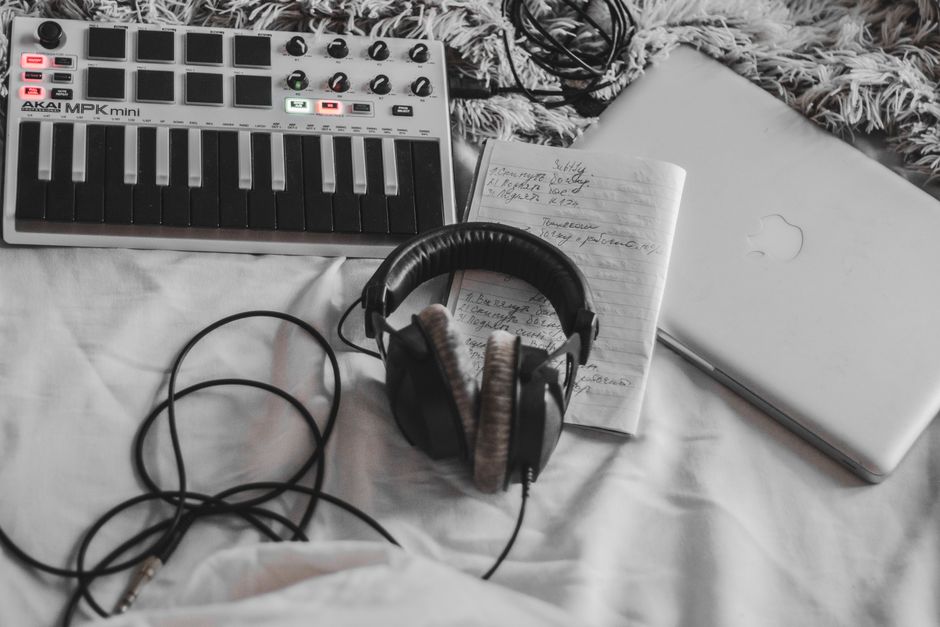
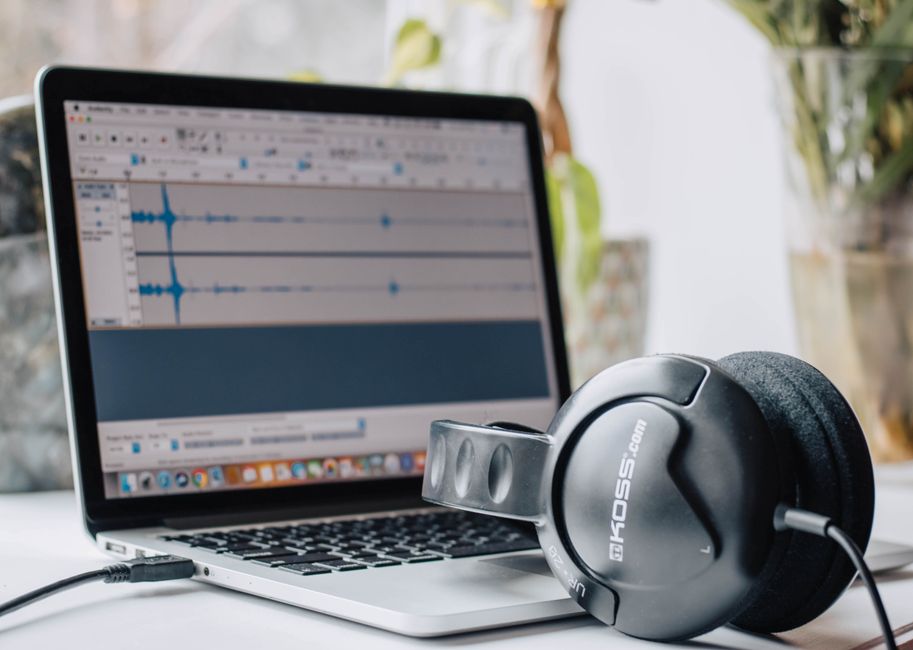
- Extract the instrumental – Download the track, import it into your DAW (I used Ableton). Remove the AI vocals if they're generic, keep the instrumental bed.
- Write your own lyrics and record – This is where your human artistry comes in. Your voice, your story.
- Re-record or mix – Replace the AI drums with your own samples, add live guitar, tweak the EQ.
- Final product – You've got a track that's 60% you, 40% AI inspiration. That's the sweet spot.
Step 5: Submit and Follow Up
Once your application is ready, submit through Suno's website (look for the Spark link). They don't publish deadlines, so assume it's rolling. Follow up after 2 weeks with a polite email. Don't be annoying.
The Elephant in the Room: Copyright and Ethics
Here's my honest take: Suno wants your music to train their models. That's the trade-off. If you're an unsigned artist with nothing to lose, the exposure and mentorship could be worth it. But if you have a catalog you're precious about, think twice. I'd recommend only submitting tracks you're okay with being used for training—not your best work, but something you're proud of.
Final Pro Tips from My Testing
- Don't over-generate. Suno's free tier limits you to 5 generations a day. Use them wisely.
- Collaborate with other artists – The incubator might favor duos or small collectives. Apply with a friend.
- Show growth – In your bio, mention how you've evolved. AI is a tool; you're the artist.
I've been in the tech space for 15 years, and I've seen programs like this come and go. Spark has potential, but it's also a bet. You're betting that Suno will become a real streaming destination, not just a novelty. According to www.theverge.com, they're serious about breaking new artists. Whether that happens depends on how many real musicians join.
So here's my challenge to you: spend this weekend preparing your application. Write your bio, record a real track (with or without AI), and see if you have what it takes. Worst case, you learn something. Best case, you get a grant and mentorship. Either way, you're in the game.
What's stopping you?
Originally reported by www.theverge.com. Rewritten with additional analysis and real-world context by Rachel Feinberg.