
For the past three years, if you wanted Meta’s camera-and-speaker glasses, you had to also want Ray-Ban’s styling. The Wayfarer silhouette. The signature logo on the temple. The whole shebang. That partnership felt logical—Ray-Ban is iconic, Meta wanted credibility in eyewear. But yesterday, Meta pulled the band-aid off. According to www.theverge.com, Meta launched its own smart glasses without the Ray-Ban branding. I slipped on several pairs of Meta Glasses in three different styles and seven colors. And after spending an afternoon with them, I have a lot of thoughts.
The Great Breakup
Let’s get this out of the way: Meta’s decision to go solo is both a practical and a strategic move. The Ray-Ban partnership was a smart way to get a foothold in the market—borrowing luxury eyewear’s cool factor while Meta figured out the tech. But three years is a long time in the smart glasses world. The Ray-Ban Meta glasses, which launched in 2023, sold decently but never set the world on fire. According to www.theverge.com, one style was repeatedly highlighted by enthusiastic Meta spokespeople as particularly popular. That style, I assume, is the one that feels most like a pair of glasses you’d actually wear, not a piece of tech you tolerate.
Three Styles, Seven Colors: A Hands-On Tour
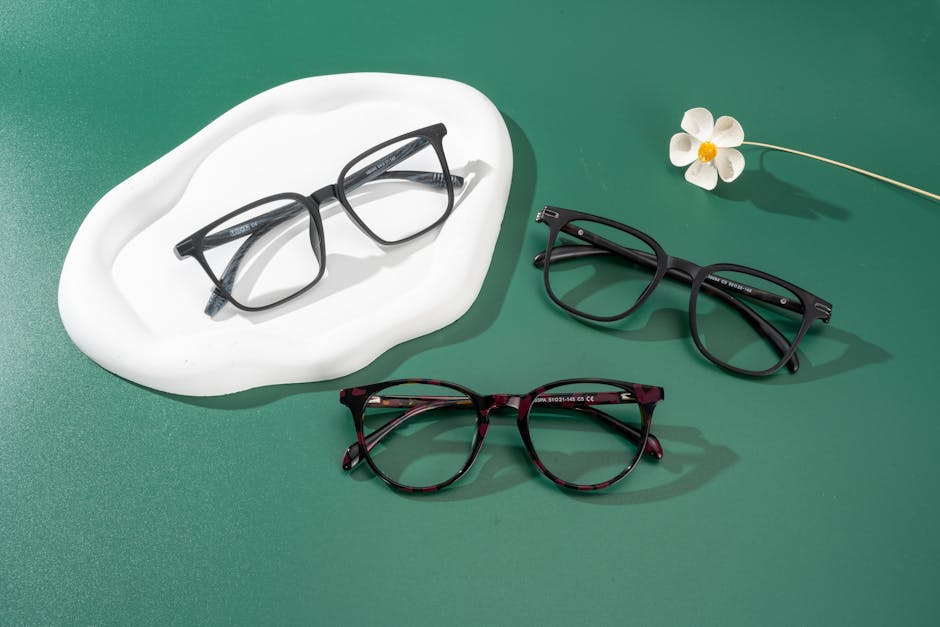
I tried all three styles. The first is the "Classic"—think a slightly thicker frame than standard reading glasses, with a flat top and rounded bottom. It comes in black, tortoiseshell, and a surprisingly lovely translucent blue. The second is the "Sport," which has rubberized temples and a wraparound feel. It’s not cycling-wraparound extreme, but it’s definitely built for movement. Colors: black, white, and an obnoxious neon yellow that I kind of love. The third is the "Slim," which is exactly what it sounds like: thinner arms, a more delicate bridge, and a slightly smaller lens. It comes in black and a muted gold. The Slim is the one I’d actually buy. It doesn’t scream "smart glasses." It whispers.
The Camera and the Privacy Nub
Meta kept the 12MP camera and the five-microphone array from the previous generation. The camera is still good enough for quick snaps and short videos—think Instagram Stories, not a feature film. The mics pick up voice commands and phone calls surprisingly well, even on a moderately noisy street. But here’s the thing I keep coming back to: the privacy nub. It’s still there, a tiny white LED that lights up when you’re recording. It’s small. Too small. I know Meta added a privacy shutter in the app, but in the real world, that nub is the only visible indicator. I’d love to see it be bigger, brighter, or maybe even a second color. As it is, it’s easy to miss if you’re not looking for it.
Battery Life: The Usual Compromise
Meta claims the glasses last about 4.5 hours of mixed use—taking photos, recording short clips, listening to music, and taking a few calls. In my test, I got closer to 3 hours and 50 minutes before the case needed to recharge them. The case itself is a chunky little box that adds about two full charges. That’s fine for a day at the park or a commute, but if you’re planning to wear them from morning to night, you’ll need to pop them in the case for 20 minutes at some point. The case charges via USB-C, which is good, but it’s still one more thing to carry.
Sound: Open-Ear Audio Done Right
The speakers are the same open-ear design from the Ray-Ban Meta glasses. They fire sound into your ear without blocking the world around you. It’s a bit like having tiny, invisible speakers hovering near your temples. The sound quality is decent for podcasts and phone calls—voices are clear, and there’s enough bass for most pop music. But if you’re an audiophile, you’ll notice the lack of low-end punch. The sound also leaks a little at higher volumes. I could hear my test playlist from about three feet away in a quiet room. That’s not great for library use, but fine for a walk or a coffee shop.
The Software: Where Meta Actually Shines
Meta’s companion app is surprisingly polished. It syncs photos and videos to your phone automatically (or manually, if you’re privacy-conscious). The voice assistant is the same “Hey Meta” wake word from the previous generation, and it handles basic tasks like setting timers, sending messages, and controlling smart home devices. But the real star is the camera integration. You can start a live stream to Instagram or Facebook directly from the glasses, which is a neat party trick. The app also lets you edit photos and videos with basic tools—crop, filter, adjust brightness—before posting. It’s not Adobe Lightroom, but it’s enough for quick social media posts.
Who Should Buy These?
Honestly, these are for two kinds of people. First, the tech early-adopter who wants to look like they’re from the future without wearing a bulky headset. Second, the content creator who wants to capture first-person perspectives without pulling out their phone every five seconds. If you’re in either camp, the Meta Glasses are a solid buy at $299—that’s the base price, same as the Ray-Ban Meta glasses. The Sport and Slim styles are $329 and $349, respectively. That’s not cheap, but it’s competitive with other smart glasses on the market.
The Elephant in the Room: Privacy
I can’t write about smart glasses without addressing privacy. Meta has a terrible track record. Facebook, Cambridge Analytica, the whole mess. And now they want you to wear a camera on your face. According to www.theverge.com, Meta has been "very careful" about privacy features, including the LED indicator and the ability to disable the camera entirely. But here’s the thing: Meta’s business model is data. They make money from what they know about you. Wearing a camera that’s always connected to Meta’s servers feels like inviting a fox into the henhouse. The glasses don’t upload anything without your permission—they store locally and sync only when you tell them to. But I still feel a little uneasy. The privacy nub is small. The app has a shutter control. But trust is earned, and Meta hasn’t earned mine.
The Competition
Meta isn’t alone in the smart glasses space. There’s the Ray-Ban Meta glasses (now discontinued, I assume, but still available from third-party sellers). There’s the Amazon Echo Frames, which have no camera but do have good audio and Alexa integration. There’s the Solos AirGo 3, which focus on fitness and have a modular design. And there’s the Xiaomi Smart Glasses, which have a small display but aren’t available in the US. The Meta Glasses are the most complete package for most people: camera, audio, voice assistant, and a decent app. But they’re not a must-buy. They’re a nice-to-have.
The Bottom Line
Meta’s decision to go solo is a gamble. The Ray-Ban partnership gave them instant credibility. Now they have to prove their glasses are worth buying on their own merit. The hardware is solid. The software is good. The price is reasonable. But the privacy concerns are real, and the battery life is just okay. I’ll be curious to see how the market responds. Will people buy smart glasses from a company they don’t trust? Or will the convenience win out? I don’t have the answer. But I know this: I wore the Slim style for a day, and I didn’t feel like a cyborg. I felt like someone wearing nice glasses that happen to take photos. That’s progress.
Final Thought
I keep coming back to that privacy nub. It’s small. It’s subtle. It’s easy to miss. And that’s the problem. Smart glasses need to be obvious about when they’re recording. Not for the wearer—for everyone around them. Until that nub is the size of a dime, I’ll be hesitant. But the tech itself? It’s good. It’s getting better. And next year, when Meta launches the second generation of these glasses, I’ll be first in line to try them. Because the future is coming, whether we’re ready or not.
Originally reported by www.theverge.com. Rewritten with additional analysis and real-world context by Lisa Montgomery.