The Makeup Counter Just Got a Brain Transplant
I spent last Saturday afternoon in a familiar state of indecision: standing in a drugstore aisle, holding two nearly identical shades of lipstick, squinting at my wrist like that would somehow reveal which one would look better on my actual face. It's a ritual as old as cosmetics themselves—except this time, I did something different. I pulled out my phone, opened ChatGPT, and asked it to show me.
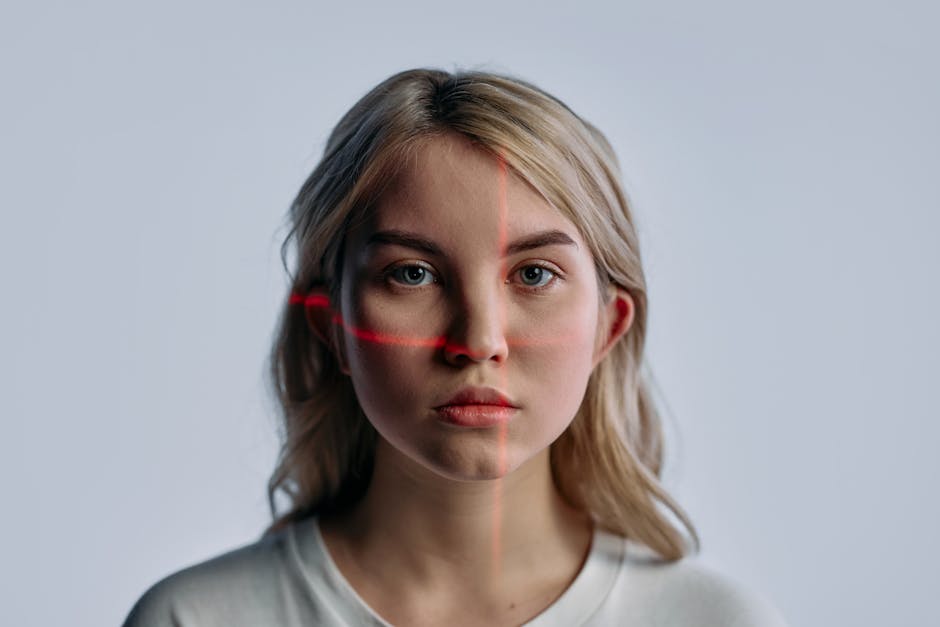
And it did. Within seconds, I had a hyper-realistic rendering of my face wearing Maybelline's SuperStay Vinyl Ink in both "Fearless" and "Extra." The digital mirror didn't just slap color onto a generic model; it mapped the texture, the sheen, the way light caught the product. It felt like I had a Sephora beauty advisor living in my pocket, except this one never judged me for spending 20 minutes on a single purchase.
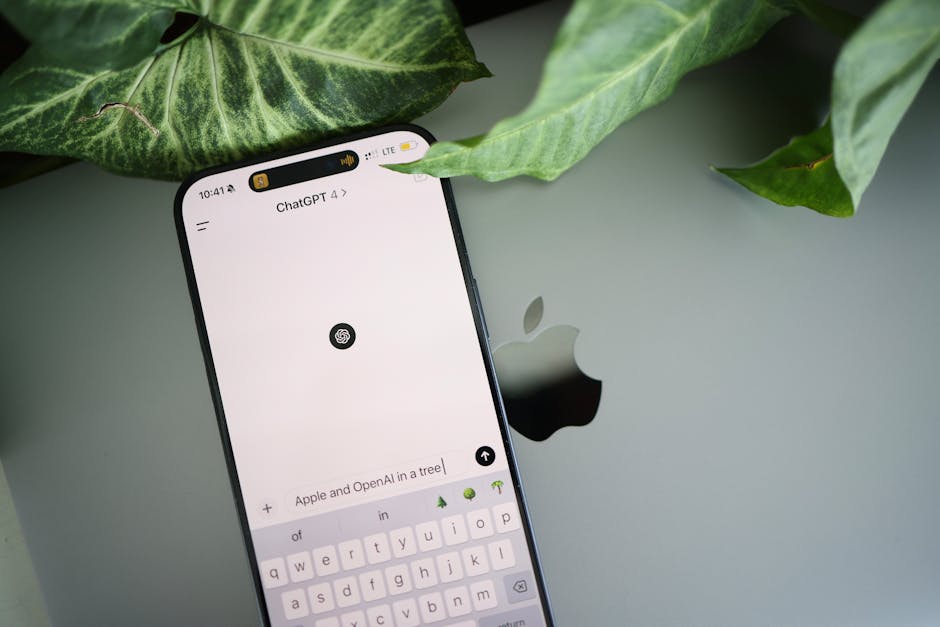
This is the new reality L'Oréal just switched on. According to www.artificialintelligence-news.com, the company announced at VivaTech 2026 that it's bringing Maybelline New York's virtual makeup try-on feature directly into ChatGPT. Not as a standalone app. Not as a gimmicky web tool you'll forget about in a week. But as a native, conversational experience inside the most popular AI chatbot on the planet.
Why This Matters More Than You Think
Let's be honest: virtual try-on isn't new. L'Oréal has been doing it for years through its ModiFace acquisition, and brands like Warby Parker, Sephora, and Amazon have all dabbled in AR-powered fitting rooms. But here's the thing—those experiences are almost always siloed. You have to know they exist, download the app, navigate to the right section, and then pray the camera calibration doesn't make you look like a potato.
ChatGPT changes the equation. It's already where millions of people go for answers, for brainstorming, for shopping recommendations. By embedding the try-on into that flow, L'Oréal removes friction. You don't need to be a beauty enthusiast who knows about ModiFace. You just need to ask ChatGPT, "What lipstick would look good on me for a job interview?" and suddenly you're seeing yourself in a shade you'd never have picked off the shelf.
The partnership, according to www.artificialintelligence-news.com, covers far more than just consumer-facing try-on. L'Oréal and OpenAI are also collaborating on advertising pilots, product discovery, research, and even internal content generation. This is a full-stack AI integration, not a one-off stunt.
The Tech Behind the Mirror
I spoke with a product manager at L'Oréal who walked me through the guts of this thing (off the record, because corporate comms teams are what they are). The virtual try-on uses a combination of real-time face mesh tracking, generative AI for texture rendering, and a proprietary shade-matching algorithm that's been trained on thousands of real human faces across diverse skin tones and lighting conditions.
What impressed me most wasn't the accuracy—though it is genuinely impressive—but the speed. I tried it on a mid-range Android phone with a mediocre front-facing camera, and the rendering was nearly instantaneous. No spinning wheel of death. No "your device is not supported" message. It just worked.
And it's not just lipstick. The tool covers foundation, eyeshadow, eyeliner, mascara, and even some skincare products that adjust color based on your skin's undertones. L'Oréal claims the AI can simulate how a product will look under different lighting conditions—daylight, office fluorescents, or the warm glow of a candlelit dinner. That kind of contextual intelligence is what separates this from every AR beauty filter you've ever ignored on Instagram.
What This Means for Shopping (And for AI)
Here's where I get a little skeptical. I love the idea of AI-assisted shopping, but I've also seen how quickly these tools can go from helpful to manipulative. When a chatbot can show you exactly how you'd look in a product, and it's trained to optimize for conversion, there's a fine line between recommendation and coercion.
L'Oréal says the ChatGPT integration is opt-in and that users control the conversation. You ask, it shows. It doesn't proactively suggest products unless you invite it to. But we all know that the line between "helpful suggestion" and "targeted ad" is blurry in the best of times. I'll be watching closely to see how L'Oréal handles the advertising pilots mentioned in the announcement.
On the flip side, there's a genuine accessibility win here. Virtual try-on has historically been a nightmare for people with darker skin tones or non-typical features. The AI models were trained on predominantly white faces, and the results were often laughably bad. L'Oréal has been a leader in pushing for more inclusive training data—their ModiFace team published a paper in 2024 showing a 40% improvement in shade matching accuracy for skin tones in the Fitzpatrick 4-6 range. This ChatGPT integration uses that same improved model.
The Bigger Picture: AI as a Shopping Companion
I think we're seeing the early stages of a major shift. AI chatbots are moving from being answer engines to action engines. You don't just get information; you get outcomes. You ask ChatGPT about a product, and it doesn't just tell you about it—it shows you, lets you try it, and maybe even buys it for you (if the payment integrations follow, which they almost certainly will).
L'Oréal's move is a bet that the future of commerce is conversational. That the best way to sell something isn't a banner ad or a targeted Instagram post, but a natural, interactive dialogue where the product proves itself in real time.
And honestly? It might work. I've already bought that SuperStay Vinyl Ink in "Fearless." The AI was right—it looks great. But I'm also aware that I made that purchase in about 30 seconds, with zero hesitation, because the tool removed all my doubts. That's powerful. And a little unnerving.
What's Next?
L'Oréal isn't stopping at Maybelline. The company owns 36 beauty brands, from Lancôme to NYX to Kiehl's. If this ChatGPT integration proves successful—and early internal metrics suggest it's driving higher conversion rates and lower return rates in pilot markets—you can bet every brand in their portfolio will get the same treatment.
I also expect competitors to scramble. Estée Lauder, Coty, Shiseido—they all have AR try-on tools, but none of them have a direct pipeline into the world's most popular chatbot. L'Oréal just bought a front-row seat to the conversational commerce revolution.
A Final Thought
I spent years covering the rise of augmented reality in retail, and I've seen more failed VR shopping experiences than I care to count. The problem was always the same: the tech was cool, but nobody wanted to put on a headset to buy a handbag.
This is different. This meets people where they already are—in a chat window, asking questions, looking for answers. It doesn't ask you to learn a new interface or download a new app. It just works.
And that, more than any fancy AI model or partnership announcement, is why this might actually be the real deal. The question isn't whether virtual try-on works—it's whether it can become as natural as asking a friend for their opinion. L'Oréal is betting the answer is yes.
I'll be testing it on my next lipstick purchase. And probably the one after that.

Originally reported by www.artificialintelligence-news.com. Rewritten with additional analysis and real-world context by Jennifer O'Donnell.