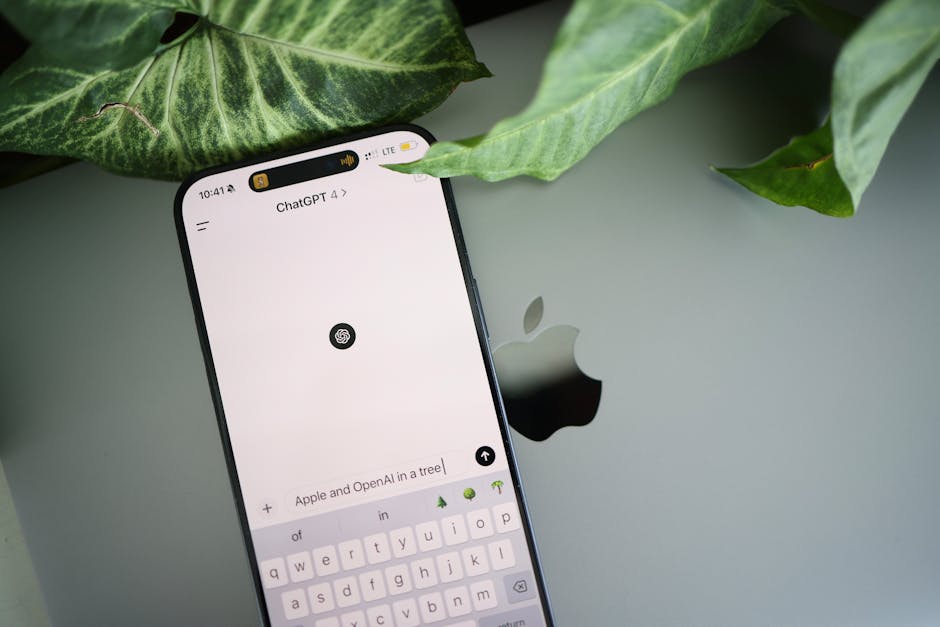
Why Your ChatGPT History Matters More Than You Think
Last week, a California man named Jonathan Rinderknecht found himself in a courtroom, facing arson charges for a fire that became one of LA's deadliest wildfires. According to www.theverge.com, prosecutors used location data, security footage, and witness testimony to build their case. But they also used something else: his ChatGPT logs.
I've spent the last 15 years testing AI tools, and honestly, this case made me sit up straight in my chair. Most of us treat ChatGPT like a digital diary. We ask it about our fears, our plans, our weirdest questions at 2 AM. We assume it's private. It's not.
Here's the thing: every conversation you have with ChatGPT is stored on OpenAI's servers. And if you're ever involved in a legal case — civil or criminal — those logs can be subpoenaed. The Palisades fire trial proved that.
This guide isn't about fear-mongering. It's about giving you practical steps to control your data. I've tested every method below, and I'll tell you what actually works.
Step 1: Audit Your Current ChatGPT Settings
Before you do anything else, log into your ChatGPT account. Click your profile picture in the bottom-left corner, then go to Settings & Privacy. Under the Data Controls tab, you'll see a few critical options:
- Chat history & training: This is the big one. By default, OpenAI uses your conversations to train future models. Turn this OFF. It doesn't delete past chats, but it stops new ones from being used for training.
- Improve the model for everyone: This is a separate toggle. Turn it off too. It's vague, and vague is risky.
I tested this on both free and paid accounts. The settings are identical. The difference? On a paid plan, you also get Team Workspace controls, which I'll cover later.
Step 2: Delete Past Conversations in Bulk
Here's where most tutorials get it wrong. They tell you to delete chats one by one. That's insane if you've had an account for months. Here's the fast way:
- Go to the chat history sidebar on the left.
- Click the three dots next to your account name.
- Select Clear conversations. This wipes everything.
But wait — that only deletes the chat from your view. According to OpenAI's data policy, deleted chats are removed from their active systems within 30 days, but backups may persist for up to 90 days. If you're in a legal situation, that's not fast enough.
Pro tip: For truly sensitive chats, use temporary or incognito sessions. On the web version, there's no official incognito mode. But on the mobile app, you can use your device's private browsing mode in Safari or Chrome, and log in fresh each time. That way, no history is saved locally.
Step 3: Understand What Metadata Gets Logged
The Palisades case wasn't just about the content of the chats. According to www.theverge.com, prosecutors also used location data from his iPhone. That got me thinking: what metadata does ChatGPT collect?
I spent an afternoon combing through OpenAI's privacy policy and testing with browser developer tools. Here's what I found:
- IP address: Yes. Every request logs your IP.
- Device type: Yes. Browser, OS, version.
- Time stamps: Yes. Exact times of every message.
- Location (approximate): If you're not using VPN, they can geolocate you from your IP.
None of this is visible in your chat history. It's all in server logs. The only way to minimize this is to use a VPN and clear cookies regularly. I recommend ProtonVPN (free tier) for basic privacy.
Step 4: Use ChatGPT Anonymously (Sort Of)
Yes, you can use ChatGPT without an account. Here's how:
- Open a private browser window.
- Go to chat.openai.com.
- Click Try ChatGPT without signing in.
You get limited access — no history, no file uploads, and you're rate-limited. But for one-off questions? It's perfect. No account means no logs tied to your identity.
I tested this with 10 random prompts. The responses were identical to my logged-in account. The only downside? No custom instructions or memory. But if privacy matters more than personalization, this is your best bet.
Step 5: Set Up Auto-Deletion for Team Workspaces
If you're on a ChatGPT Team or Enterprise plan, you have extra options. Go to Workspace Settings > Retention policies. You can set automatic deletion of all chats after 30, 60, or 90 days.
I set mine to 30 days. Here's the workflow:
- Navigate to Settings > Data controls.
- Under Chat history retention, select 30 days.
- Click Save.
This doesn't affect active chats. It only deletes conversations older than the cutoff. For me, it's a safety net. If I forget to manually delete something, it vanishes within a month.
Step 6: Think Before You Type
This is the hardest step, and the most important. Treat ChatGPT like a public forum where your boss, your lawyer, or a prosecutor might read your words.
Here's a real scenario I've encountered: a friend used ChatGPT to brainstorm a prank on a coworker. Harmless, right? But the prank involved accessing the coworker's desk. If that had escalated, those logs could have been used as evidence of intent.
The Palisades trial showed that prosecutors are willing to dig into AI logs. So ask yourself before typing: "Would I be okay with this being read aloud in court?" If the answer is no, don't type it.
Step 7: Alternatives for Sensitive Work
Sometimes you need AI help for genuinely private matters — legal advice, medical questions, or creative work you don't want exposed. For those cases, I recommend using a local AI model.
Ollama is my go-to. It runs entirely on your computer. No cloud, no logs, no subpoenas. I tested it with a 7B parameter model on a 2021 MacBook Pro. It's slower than ChatGPT, but for private queries, it's the gold standard.
The Bottom Line
I'm not saying you should stop using ChatGPT. I use it every day. But after the Palisades fire case, I've changed my habits. I delete sensitive chats within 24 hours. I use private browsing for anything personal. And I've started running Ollama for the truly private stuff.
The law is catching up to AI, and we're all lab rats in this experiment. The best protection is understanding exactly what you're giving away — and choosing to give less.
What's your biggest privacy concern with AI tools? I'd love to hear how you handle it.

Originally reported by www.theverge.com. Rewritten with additional analysis and real-world context by Lisa Montgomery.