DALL-E 3, developed by OpenAI, represents a significant leap forward in AI image generation technology. Building on the capabilities of its predecessors, DALL-E 3 offers enhanced prompt understanding, improved image quality, and better text rendering within images. This tutorial covers everything from accessing DALL-E 3 to crafting sophisticated prompts that produce professional-quality images for creative projects, marketing, and personal expression.
Understanding DALL-E 3 and How to Access It
Here's why.
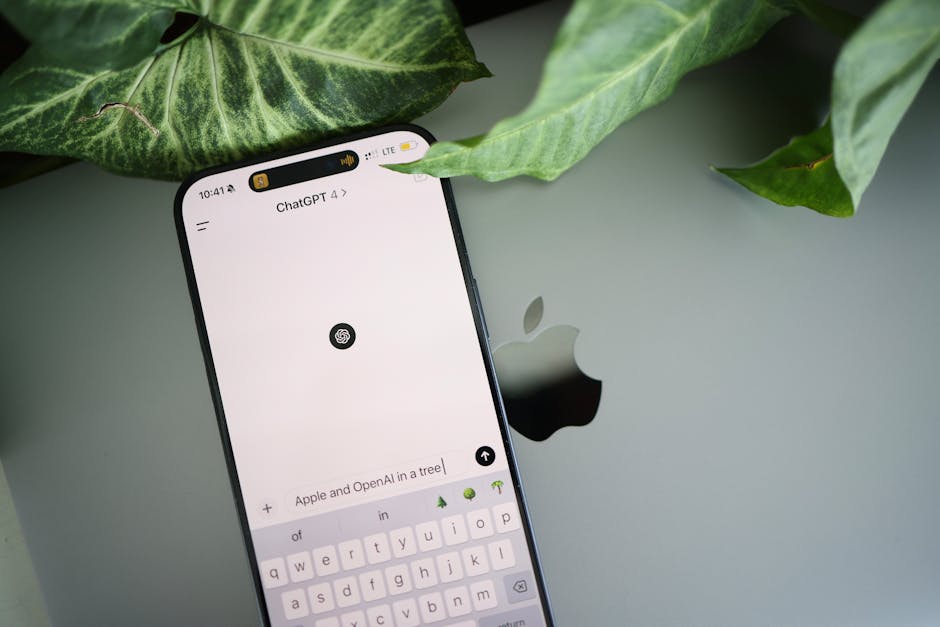
DALL-E 3 is OpenAI's third-generation text-to-image model, designed to translate natural language descriptions into detailed, high-resolution images. Unlike earlier versions that often struggled with complex prompts and precise compositions, DALL-E 3 demonstrates a remarkable ability to understand nuance, follow detailed instructions, and render realistic and stylized imagery with equal skill. The model can generate images in various styles including photorealistic, oil painting, watercolor, cyberpunk, anime, 3D render, and countless others. Accessing DALL-E 3 requires either a ChatGPT Plus subscription ($20 per month), a ChatGPT Team subscription, or access through the OpenAI API. Within ChatGPT, DALL-E 3 is integrated directly into the chat interface -- you simply describe the image you want in natural language, and ChatGPT generates it using DALL-E 3 behind the scenes. This integration makes DALL-E 3 the most accessible high-quality AI image generator for most users, as there is no separate interface or specialized syntax to learn. The model generates images at 1024x1024, 1024x1792, or 1792x1024 pixel resolution, with the ability to make targeted edits to specific areas of an existing image through the inpainting feature. Each generation costs one credit, and ChatGPT Plus subscribers receive a set number of generations per month (typically around 40-50 depending on the plan). For higher volume needs, the OpenAI API offers pay-as-you-go pricing, with images costing approximately $0.040 to $0.080 per generation depending on resolution. The API also supports more advanced features such as batching, custom dimensions, and programmatic workflow integration.
Mastering DALL-E 3 Prompt Engineering
The key to getting exceptional results from DALL-E 3 lies in crafting detailed, well-structured prompts. Unlike earlier AI image generators that required comma-separated keyword lists, DALL-E 3 performs best with natural language descriptions that read like a paragraph describing a scene. A good prompt typically includes the subject, action or pose, environment or setting, lighting conditions, color palette, artistic style, mood, and composition details. For example, instead of "cat, sleeping, sunny, photorealistic," try "A fluffy orange tabby cat sleeping curled up on a windowsill, warm afternoon sunlight streaming through the glass casting soft shadows, dust motes floating in the light beam, photorealistic style, shallow depth of field, warm color palette, peaceful atmosphere." The model's improved natural language understanding means that adding descriptive modifiers significantly enhances results. Specify lighting details such as "golden hour lighting," "neon-lit at night," "soft studio lighting," or "dramatic chiaroscuro." Include camera terminology like "shot on 35mm film," "aerial view," "macro photography," or "wide-angle lens" to influence perspective and framing. Style references are also effective: "in the style of Studio Ghibli," "reminiscent of Van Gogh's brushwork," "vaporwave aesthetic," or "minimalist architectural photography." One advanced technique is negative prompting -- specifying what you do not want in the image, such as "no text, no watermarks, no people in the background." While DALL-E 3 automatically rewrites and optimizes your prompts internally for better results, providing clear and detailed instructions still produces noticeably superior outcomes. Experiment with varying levels of specificity: start broad to explore options, then refine with details as you narrow in on your vision.
Creative Applications and Use Cases
DALL-E 3 opens up a vast range of creative and professional applications that extend far beyond simple novelty. In marketing and advertising, businesses use DALL-E 3 to generate custom visuals for social media posts, blog headers, email campaigns, and product mockups. The ability to create unique, brand-aligned imagery on demand eliminates the need for expensive stock photo subscriptions and lengthy photoshoots. Content creators and YouTubers leverage DALL-E 3 for video thumbnails, channel art, and visual assets that stand out in crowded feeds. Authors and publishers use it for book cover concepts, interior illustrations, and promotional materials. For designers, DALL-E 3 serves as an ideation tool that can generate mood boards, concept art, and visual references in seconds, dramatically accelerating the early stages of creative projects. Interior designers describe room layouts and decor styles to visualize furnishing arrangements before purchasing. Fashion designers generate outfit concepts and fabric pattern ideas. Architects create conceptual building renderings in various architectural styles. Game developers use DALL-E 3 for character concept art, environment designs, and asset inspiration. Educators create custom illustrations for teaching materials, diagrams, and visual aids that make complex topics more accessible. Even personal projects benefit -- custom birthday invitations, unique wall art for your home, personalized greeting cards, and imaginative gifts for friends and family. The key is thinking of DALL-E 3 not as a replacement for human creativity but as an amplifier that can quickly visualize ideas, iterate on concepts, and produce polished visuals that would have previously required significant time, skill, or budget to create.
Advanced Techniques: Editing, Variations, and Composition
Beyond generating images from scratch, DALL-E 3 offers several advanced capabilities that give you more control over the final output. The editing feature in ChatGPT allows you to select specific regions of a generated image and describe changes. For example, you can generate an image of a living room, select the area where the sofa is, and say "Replace this sofa with a modern leather sectional in charcoal gray" -- DALL-E 3 will modify only that region while preserving the rest of the image. This selective editing is incredibly useful for iterating toward a specific vision without starting over each time. The variation feature generates new versions of an existing image with similar composition but different details, helping you explore alternatives around a concept you like. You can also use DALL-E 3 to generate images with specific text incorporated (logos, signs, posters) -- while earlier models notoriously struggled with text rendering, DALL-E 3 produces readable text much more reliably, especially for shorter phrases. For composition control, include positional language in your prompts: "in the foreground," "centered," "rule of thirds composition," "reflected in a mirror on the wall," or "seen through a window frame." DALL-E 3 also handles multi-subject scenes well when you clearly describe relationships between elements: "A robot chef in a stainless-steel kitchen, plating a gourmet meal on a white ceramic plate, steam rising from the food, cinematic lighting." If the results aren't quite right, you can provide follow-up instructions to refine specific aspects: "Make the lighting warmer," "Add more detail to the background," or "Change the aspect ratio to landscape." This iterative conversation-based workflow is one of DALL-E 3's greatest strengths compared to tools that require starting over for each change.
Comparing DALL-E 3 with Midjourney and Stable Diffusion
Understanding how DALL-E 3 compares to other major AI image generation tools helps you choose the right platform for your specific needs. DALL-E 3's primary advantages are its superior natural language understanding, seamless integration with ChatGPT, and excellent text rendering. You can describe images in plain English without learning specialized syntax, which makes it the most beginner-friendly option. Midjourney, now accessible through both Discord and its standalone web interface, remains the preferred choice for many professional artists and designers who prize aesthetic quality and stylistic consistency. Midjourney offers finer-grained control through parameter-based prompts (aspect ratios, stylization levels, weirdness, and chaos parameters) and delivers exceptionally polished, artistic results that often require less post-processing. However, it has a steeper learning curve and less intuitive natural language handling than DALL-E 3. Stable Diffusion, particularly through interfaces like Automatic1111, ComfyUI, and paid services like Leonardo.ai, offers the greatest flexibility through open-source models, community-trained custom models (LoRAs, DreamBoothed models), and complete control over the generation pipeline. You can run Stable Diffusion locally on your own hardware, fine-tune models on specific styles or subjects, and integrate it programmatically without API costs. The trade-off is a more technical setup process and less refined out-of-the-box results without significant prompt engineering and model selection. For most users, the best approach is to use DALL-E 3 for quick, high-quality generations and ChatGPT integration, Midjourney for polished artistic projects, and Stable Diffusion for specialized needs requiring custom models or unlimited generations. Many professionals use all three tools strategically depending on the project requirements.
Tips for Commercial Use and Best Practices
Here's why.
When using DALL-E 3 for commercial purposes, understanding OpenAI's content policy and usage terms is important. OpenAI grants full ownership of generated images to users, including commercial usage rights, meaning you can use DALL-E 3 images in products, marketing, publications, and other commercial contexts without additional licensing fees. However, there are restrictions: you cannot generate images that mimic the style of living artists, create images of public figures in misleading contexts, generate violent, hateful, or sexually explicit content, or attempt to create images of specific real people without authorization. OpenAI employs both automated content filters and human review systems to enforce these policies. For best results in commercial work, always upscale final images using a dedicated upscaling tool, as DALL-E 3's native resolution may not be sufficient for print applications. Maintain a consistent visual style across a series of images by reusing key prompt elements about lighting, color palette, and style. Keep a prompt library of your most effective formulations so you can reproduce and refine successful results. Use image editing software to clean up minor artifacts, adjust colors, or composite AI-generated elements with other assets. When using DALL-E 3 for branding, ensure your generated visuals align with your brand guidelines and consider whether the AI-generated aesthetic fits your brand identity. Finally, stay informed about evolving regulations around AI-generated content -- some platforms require disclosure when images are AI-generated, and copyright law around AI art continues to develop in courts and legislatures worldwide.
The Short Version
- DALL-E 3 is accessible through ChatGPT Plus, ChatGPT Team, or the OpenAI API, with natural language prompting making it the most beginner-friendly AI image generator. — took me a while to figure this out
- Effective prompt engineering involves detailed natural language descriptions including subject, setting, lighting, style, mood, and composition rather than keyword lists.
- Creative applications span marketing materials, content creation, design ideation, publishing, game development, education, and personal projects.
- Advanced features include selective inpainting edits, image variations, and iterative refinement through conversational follow-up prompts.
- DALL-E 3 excels at natural language understanding and text rendering, while Midjourney offers superior artistic polish and Stable Diffusion provides maximum customization. (this one actually surprised me)
- Commercial users receive full ownership rights but must adhere to OpenAI's content policies and stay aware of evolving AI art regulations. (this one actually surprised me)
I remember the first time I tried this— for comparisons with other AI image tools, check out our Midjourney Beginners Guide and Stable Diffusion Complete Tutorial for a full picture of the AI image generation landscape.